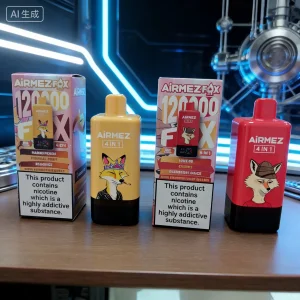
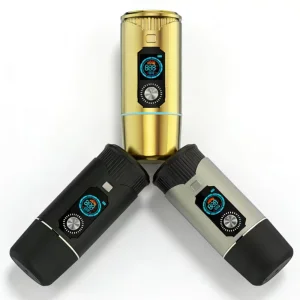
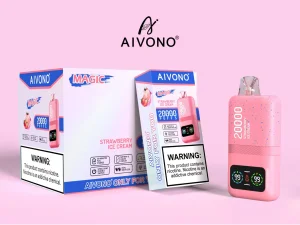
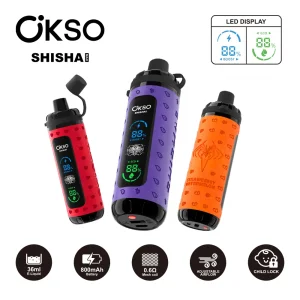
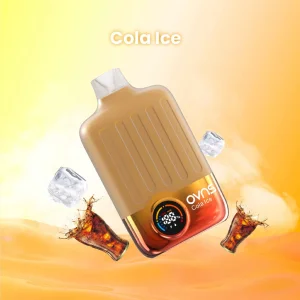
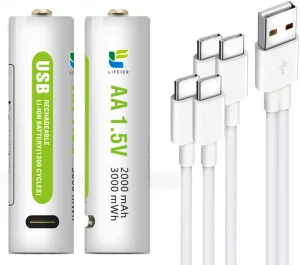
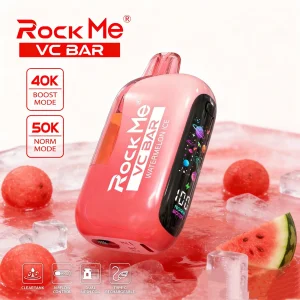
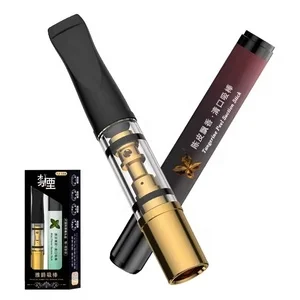
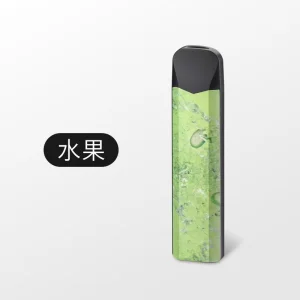
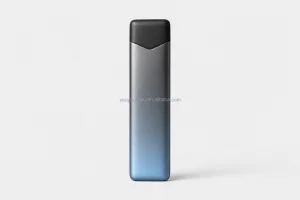
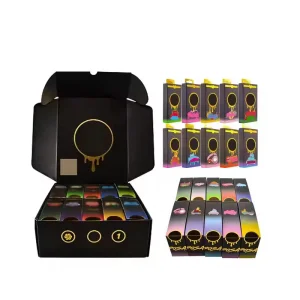
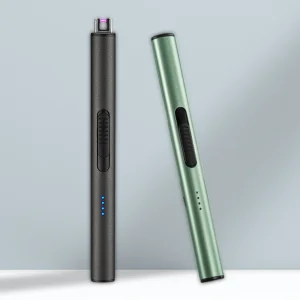
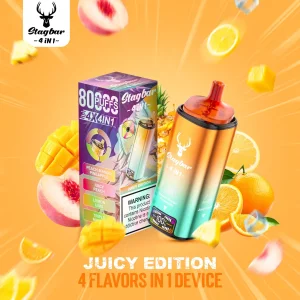
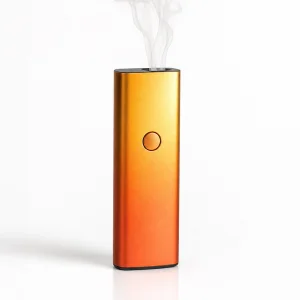
Explore our premium factory direct catalog featuring advanced smart screens, multi-flavor configurations, and rechargeable high-performance hardware.
As the electronic cigarette sector scales to meet global demands, China pod vape devices factories stand as the unmatched foundation of manufacturing innovation, design iteration, and logistics efficiency. Over 90% of the world's vaping hardware is conceptualized, engineered, and manufactured in the Shenzhen region. This incredible centralization provides brands with massive resource speed, unmatched raw-material pricing advantages, and a vast ecosystem of technology partners specializing in sub-assembly integration.
Strategic Insight: The modern pod system and disposable device value chains rely on tight proximity between lithium battery fabricators, e-liquid blenders, micro-PCB printed circuit design labs, and high-precision packaging factories. This localized synergy allows Chinese factories to go from design concept to dynamic mass production in as little as 3 weeks.
For international buyers, distributors, and vape brands, choosing the right production partner is not merely about finding the lowest cost per unit. It requires auditing their compliance certifications (such as CE, RoHS, TPD, and FDA standards), testing their R&D responsiveness, checking their mechanical and electronics capabilities (especially mesh coil execution and smart PCB management), and evaluating their supply chain transparency.
Shenzhen Turtle Vape Co., Ltd. is a professional China disposable vape manufacturer dedicated to the research, development, production, and global distribution of high-quality electronic cigarette products. As an experienced OEM & ODM vape device supplier, the company is committed to providing innovative, reliable, and market-oriented vaping solutions for customers worldwide.
Located in Shenzhen, China's leading hub for electronic innovation, Shenzhen Turtle Vape Co., Ltd. operates advanced manufacturing facilities equipped with modern production lines and stringent quality control systems. The company specializes in a wide range of products, including disposable vapes, rechargeable disposable devices, pod systems, and customized electronic cigarette solutions designed to meet diverse market demands.
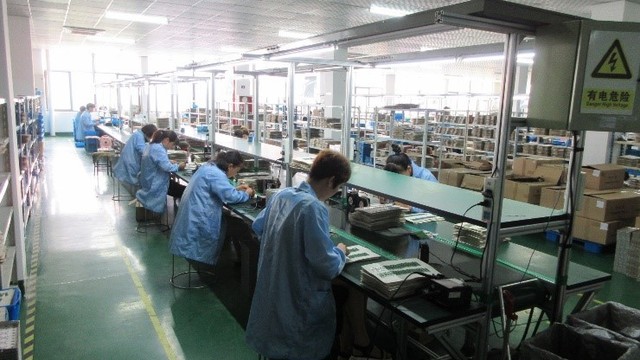

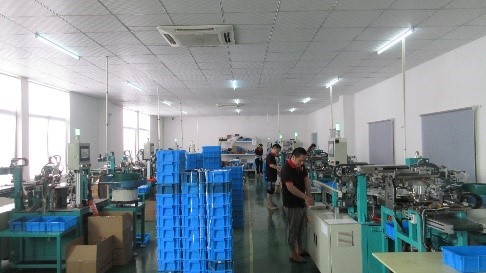
Innovation is a key driving force behind the company's growth. Supported by a skilled R&D team, Shenzhen Turtle Vape Co., Ltd. continuously develops new technologies, improves product performance, and introduces fashionable designs that enhance the overall vaping experience. The company also offers comprehensive OEM and ODM services, enabling clients to customize product appearance, specifications, packaging, and branding according to their unique business requirements.
Quality and safety remain top priorities throughout the manufacturing process. From raw material selection to final product inspection, every stage is carefully monitored to ensure compliance with international quality standards and industry regulations. This commitment enables the company to deliver consistent, safe, and dependable products to customers across global markets.
Driven by innovation, quality, and customer satisfaction, Shenzhen Turtle Vape Co., Ltd. strives to become a trusted long-term partner for global vape brands, distributors, and wholesalers seeking premium disposable vape manufacturing solutions.
To survive in highly competitive markets like Europe, North America, and the Middle East, pod devices have evolved from simple e-liquid heating tools into advanced electronic hardware. Understanding this internal architecture is key to planning product lines that stand out in crowded wholesale markets.
Traditional wire coils often cause flavor decay as e-liquid levels drop. Next-generation mesh coils utilize honeycombed metallic plates that heat the juice uniformly. Modern dual mesh structures allow users to toggle between Single and Dual Coil modes, doubling the flavor delivery during high-intensity sessions.
With rechargeable devices leading the industry, stable energy systems are critical. Incorporating premium 13300 or 14500 lithium-ion cylindrical batteries ensures minimum voltage drop and stable outputs. Incorporating smart Type-C fast charging circuits ensures the safety of batteries under high voltage inputs.
Smart screens are no longer a luxury feature. Modern B2B buyers choose pod systems featuring real-time data visualizers. Using micro-displays to report e-liquid saturation, battery capacity, and active power configurations creates a premium user experience and builds brand trust.
| Feature Category | Standard Entry-Level Spec | Advanced Industry Benchmark | Market Impact Rating |
|---|---|---|---|
| Heating Elements | Single Cotton Coil (1.2Ω - 1.5Ω) | Dual Mesh Smart Alternating Coils (0.6Ω - 1.0Ω) | High - Directly improves flavor consistency |
| Charging Interfaces | Micro-USB Port (slow charge) | Type-C Smart Charging with QC Protocol & Overcharge Shutoff | Critical - Standard user expectation |
| Airflow Systems | Fixed bottom airflow intake | Stepless Adjustable Airflow Rotary Valves (MTL to RDL) | High - Attracts diverse user demographics |
| Puff Volume Tech | Fixed prefilled single pod | Interchangeable Pod Systems & 4-in-1 Revolving Modules | Very High - Lowers logistics cost per puff |
Sourcing from a Chinese pod vape factory requires a deep understanding of manufacturing processes and quality assurance frameworks. When placing high-volume OEM/ODM orders, buyers should pay close attention to several key steps in the procurement process:
Navigating different regulatory requirements around the world is one of the biggest challenges for global vape brands. A top-tier manufacturing partner should provide localized compliance documentation and support for your target markets:
For EU countries, pod capacities are generally limited to 2ml, and nicotine strengths cannot exceed 20mg/ml (2%). Devices must be registered on the EU Common Entry Gate (EU-CEG) portal six months before retail launch. Premium manufacturers assist partners by sharing material emission reports (for carbonyls like formaldehyde and acrolein) and offering TPD-compliant packaging templates.
In the US, premarket tobacco product applications (PMTAs) require rigorous scientific data and testing. Manufacturers must supply detailed manufacturing records, ingredient lists, and toxicology reports. Working with a factory that maintains cleanroom environments and detailed batch records is essential for compiling your PMTA submission.
Because these devices contain lithium batteries, you need global safety certifications to smooth out logistics and customs. High-quality factories provide full safety documentation, including UN38.3 battery transport test reports, MSDS sheets, CE markings, and RoHS hazardous materials declarations.
MOQs vary based on the level of customization. Typically, standard factory products in custom packaging require a minimum order of 5,000 units per flavor. Fully customized hardware shapes or new cartridge designs require specialized tooling, raising the initial MOQ to 20,000 to 50,000 units.
Leading factories use automated mixing systems and keep raw ingredients stored in climate-controlled environments. Each batch of e-liquid undergoes gas chromatography-mass spectrometry (GC-MS) testing to verify that the chemical composition and flavor match the approved control samples.
Changes in air pressure during flights or high-altitude shipping can cause e-liquids to leak. Factories test their designs in vacuum chambers to simulate altitude changes. They also use multi-layer silicone seals and isolated airway structures to keep the e-liquid secure in transit.
Open pod systems let users refill the cartridges with their own e-liquid, which makes them highly versatile and cost-effective over time. Closed pod systems come prefilled from the factory, offering a leak-resistant, convenient experience that generates consistent recurring revenue from replacement pod sales.
Modern type-C charging interfaces allow batteries to recharge quickly. To ensure safety, factories integrate over-current protection (OCP), over-temperature protection (OTP), and short-circuit protection directly into the device's PCB chip, preventing heat buildup and battery degradation.
Discover our range of refillable vaporizers, specialized rechargeable cells, childproof safety packaging, and advanced heating accessories built to support your brand's growth.
 Turtle Vape