
The global electronic cigarette ecosystem is undergoing a dramatic structural transformation. Transitioning away from simple, low-power disposable hardware, the modern marketplace demands high-performance, high-capacity vaporizers utilizing complex lithium-ion architectures. As a result, the global vape battery charger sector has emerged as a cornerstone of B2B hardware distribution networks.
Today, vape battery chargers must transcend basic electricity delivery. They represent complex power management units (PMUs) engineered to balance cell voltage, prevent thermal runaways, optimize charge curves, and support modern high-discharge cylindrical platforms such as 18650, 21700, and customized lithium-polymer shapes. A high-performance charger is no longer an optional accessory; it is the vital safety valve that guarantees the longevity, safety, and commercial feasibility of electronic atomization systems.
Exporters in Shenzhen stand at the heart of this supply chain. Controlling over 90% of global output, leading exporters optimize logistics, maintain rigorous quality systems, and navigate the complex web of international import regulations, including CE, RoHS, FCC, and regional battery recycling compliance frameworks.
From Shenzhen's high-tech manufacturing parks to regional logistics distribution hubs, battery safety and charge speed dictate product velocity. The intersection of fast charging and solid-state cell architecture has set a new paradigm for B2B exporters worldwide.
Direct shipments from EU and North American warehousing clusters reduce customs clearance bottlenecks. Sourcing managers now prefer suppliers that combine rechargeable battery technology with streamlined global logistics pipelines.
Manufacturing Yield Rate
Daily System Output
Global Export Destinations
Underwritten Safety Compliance
A technological shift toward smart controls, alternative chemical formulations, and rapid-delivery architectures shapes the immediate future of electronic vaporizers.
Next-generation devices deploy real-time MCU monitoring. Algorithms evaluate dynamic resistance changes to adjust input amperage, minimizing thermal stress on internal battery cells.
The market has achieved standardized alignment with USB Type-C protocols. Modern systems deliver up to 3A charging speeds, drastically reducing user downtime from 90 minutes to under 25 minutes.
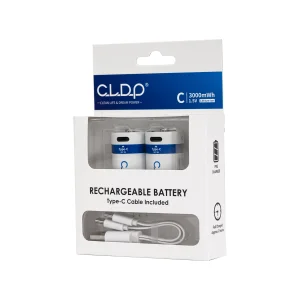
Solid-state chemical variations, such as rechargeable solid-state cylindrical cells (1.5V, 1000+ cycles), are entering mainstream distribution, promising unprecedented safety thresholds and elimination of volatile liquid electrolytes.
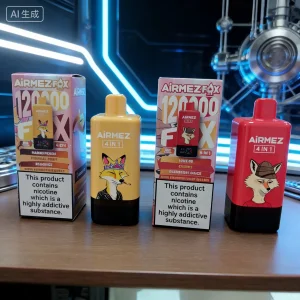
Fast dispatch via localized hubs (Germany, Netherlands) bypassing 3-4 week ocean shipping delays. Perfect for high-capacity disposable platforms (e.g. 50K - 120K puffs) requiring immediate stock replenishments.
Incorporating custom preheat designs, USB-C integrated batteries, and hybrid power banks, allowing consumers to charge small-scale hardware on-the-go via automobile arrays or laptop docks.
Regional variations in electrical grids, environmental policies, and consumer behavior necessitate distinct packaging and technology strategies for exporters.
The European Market (High Regulation): EU markets focus heavily on the Battery Directive (2006/66/EC), requiring easy recycling and collection infrastructure. Exporters targeting Europe must ensure integrated batteries utilize eco-friendly casings and support fast, low-temperature charging to limit thermal fatigue. The presence of regional EU warehouse logistics is critical to mitigating customs holds on bulk e-cigarette battery shipments.
The North American Market (High Power Demand): US and Canadian consumers favor high-amperage systems. Dual-flavor high-puff systems demand reliable, high-discharge recharge rates. The charging accessories must handle varying currents, while chargers must comply with UL 2736 safety standards for vaporizers and related accessories.
Emerging Markets (Climate-Adaptability): Distribution channels in tropical regions require chargers with specialized heat sinks and humidity-tolerant PCB lacquering to prevent ambient condensation from causing short circuits.
An overview of hardware evolution roadmap, defining how engineers transition from crude circuitry to state-of-the-art power distribution topologies.
Execution of overcharge prevention, over-discharge mitigation, short-circuit containment, and reverse polarity safety measures. Every premium exporter integrates dedicated PCBs to prevent cellular collapse under high input voltage fluctuations.
Real-time thermodynamic profiling. High-end hardware and external chargers feature built-in smart displays detailing current draw, cell health, charging speed, and individual slot voltage readouts.
Moving toward ultra-sustainable chemical compositions. Integrating 1.5V solid-state cylindrical cells with up to 1000 charge cycles, and prototyping magnetic inductive charging to remove hardware wear points altogether.
Professional OEM & ODM Disposable Vape Manufacturer
Shenzhen Turtle Vape Co., Ltd. is a professional China disposable vape manufacturer dedicated to the research, development, production, and global distribution of high-quality electronic cigarette products. As an experienced OEM & ODM vape device supplier, the company is committed to providing innovative, reliable, and market-oriented vaping solutions for customers worldwide.
Located in Shenzhen, China's leading hub for electronic innovation, Shenzhen Turtle Vape Co., Ltd. operates advanced manufacturing facilities equipped with modern production lines and stringent quality control systems. The company specializes in a wide range of products, including disposable vapes, rechargeable disposable devices, pod systems, and customized electronic cigarette solutions designed to meet diverse market demands.
Innovation is a key driving force behind the company's growth. Supported by a skilled R&D team, Shenzhen Turtle Vape Co., Ltd. continuously develops new technologies, improves product performance, and introduces fashionable designs that enhance the overall vaping experience. The company also offers comprehensive OEM and ODM services, enabling clients to customize product appearance, specifications, packaging, and branding according to their unique business requirements.
Quality and safety remain top priorities throughout the manufacturing process. From raw material selection to final product inspection, every stage is carefully monitored to ensure compliance with international quality standards and industry regulations. This commitment enables the company to deliver consistent, safe, and dependable products to customers across global markets. Driven by innovation, quality, and customer satisfaction, Shenzhen Turtle Vape Co., Ltd. strives to become a trusted long-term partner for global vape brands, distributors, and wholesalers seeking premium disposable vape manufacturing solutions.

Navigating bulk electronic cigarette hardware importing involves complex technical vetting. Global buyers face operational challenges, ranging from volatile shipping rates for lithium batteries to manufacturing delays during peak quarters. Resolving these concerns requires systematic cooperation with high-level exporters.
Custom Branding & OEM Packaging: A premium exporter provides tailored packaging, brand-specific charging parameters, custom casing designs, and silk-screened logos. Our collaborative framework matches electrical safety configurations with the target market's legal frameworks.
Integrated Battery Safety Certificates: Importers must secure access to full MSDS (Material Safety Data Sheet) files, UN38.3 test summaries, and declarations of conformity. Sourcing from certified manufacturers guarantees access to complete liability protection in international jurisdictions.
Pre-Shipment Aging Cycles: Premium manufacturers perform 100% capacity checking and multi-point load cell testing on all batteries before shipping. This process drops the failure rate of shipped products to less than 0.05%, keeping buyer return rates low.
Vape products with integrated or separate batteries are categorized as Class 9 Dangerous Goods under UN38.3 regulations. Exporters utilize specialized shipping routes, cargo aircraft, or ocean shipping with proper dangerous goods packaging, documentation, and compliance labeling.
EU warehouse locations store popular products locally. This setup bypasses import customs bottlenecks, simplifies value-added tax (VAT) payments, and enables local delivery within 2 to 5 business days, boosting inventory turnover rates.
USB Type-C supports larger current inputs (up to 3A) and features a reversible design that reduces structural wear. Dynamic power negotiation profiles prevent voltage surges, ensuring safer power delivery to high-puff devices.
Mainstream markets require CE, RoHS, and FCC marks. In North America, UL 8139 (for e-cigarettes) and UL 2736 (for battery charger systems) set the benchmark for electrical and thermal safety.
Solid-state batteries replace volatile liquid electrolytes with solid conductive materials. This design reduces thermal runaway risks, increases energy density, and extends the battery life to over 1000 recharge cycles.
Yes. OEM/ODM exporters allow buyers to adjust cell voltage levels, output cut-offs, fast-charging profiles, and custom display layouts on integrated screens to align with target brand requirements.
Smart charging circuits monitor cell voltage. When the charge reaches 4.2V (or 1.5V for new solid-state designs), the power management unit (PMU) cuts off incoming current to prevent overheating and cell degradation.
Standard lithium cells maintain performance for 300 to 500 charge cycles, while advanced solid-state variations retain over 80% capacity after 1,000 cycles, depending on usage patterns and temperature controls.
 Turtle Vape