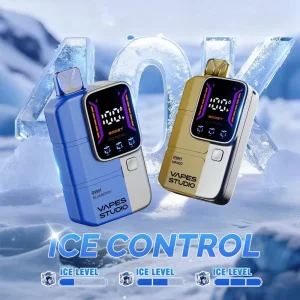
Explore our premium grade selections of rechargeable units, specialized vaping hardware, and performance vaporizers engineered to meet global compliance standards.
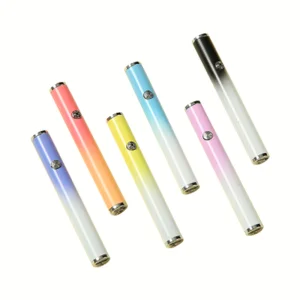
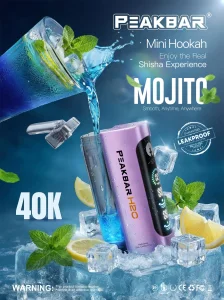
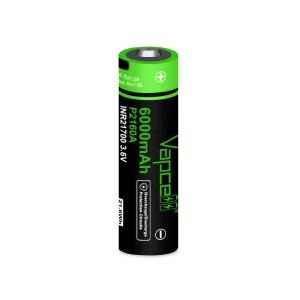
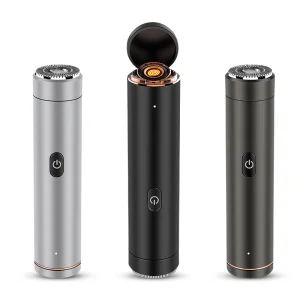
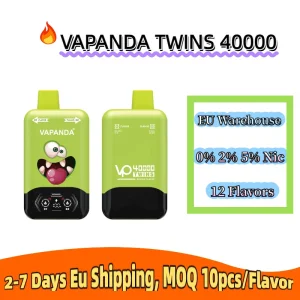
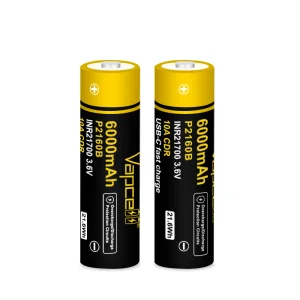
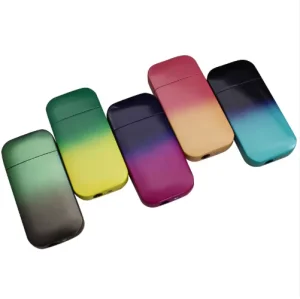
Understanding the systemic shifting patterns in B2B vaporization technology from disposables to sustainable, performance-driven refillable tanks.
The global electronic cigarette landscape is undergoing a critical transition. While disposable devices enjoyed massive short-term market penetration, environmental concerns, regional regulatory bans (such as upcoming single-use vape bans in the UK and structural limits in the EU), and consumer maturity are driving an accelerated return to refillable vape tanks and open pod systems.
From a commercial standpoint, refillable tanks represent a high-margin, recurring revenue paradigm for wholesalers and brand owners. Unlike disposable hardware, where shipping costs and hazardous battery waste processing fees erode bottom lines, modular refillable tank architectures separate the liquid container from the rechargeable lithium-ion battery cells. This decoupling dramatically reduces unit logistics overhead while driving recurring sales of replacement coils and proprietary pod cartridges.
Analyzing the structural shift toward refillable systems reveals several parallel regulatory and commercial trajectories:
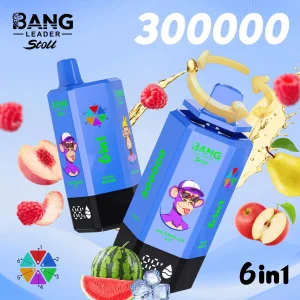
Incorporated in the global epicentre of electronic cigarette development, Shenzhen Turtle Vape Co., Ltd. stands as a premier professional China disposable vape and refillable pod manufacturer. The company is systematically dedicated to the research, development, assembly, and global distribution of high-performance vaporization hardware.
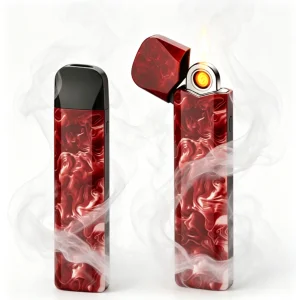
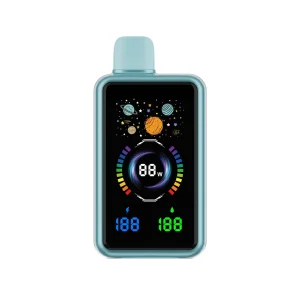
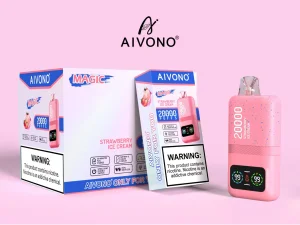
Operating modern facilities in Shenzhen, China's leading hub for hardware innovation, Shenzhen Turtle Vape Co., Ltd. operates advanced manufacturing divisions equipped with modern production lines and strict QA/QC protocols. Their product spectrum ranges from disposable vaporizers to highly scalable empty refillable pod kits, rechargeable disposable batteries, and customized tank platforms tailored for global distributors.
Innovation serves as the foundational driver of their corporate growth. Supported by a highly skilled R&D engineering team, the company continuously integrates advanced technologies, improves structural integrity, and introduces modern, ergonomic designs. Their comprehensive OEM/ODM pipeline allows business partners to fully customize tank dimensions, logo engraving, shell colorways, coil resistances, and packaging alignments.
Building a reliable refillable tank requires balancing fluid dynamics, structural thermal management, and chemical safety. Below is the current engineering layout applied by leading exporters to secure stable, leak-proof operations:
| Material Class | Application Area | Engineering Benefit | Safety Compliance |
|---|---|---|---|
| PCTG Copolymer | Outer Tank Shell & Pod Walls | Excellent chemical resistance against acidic e-liquid flavors, zero cracking under heat. | FDA Food Contact Approved |
| Aviation Aluminum Alloy | External Frame & Chassis | Lightweight structure with high impact resistance and premium metallic texture. | RoHS / CE Compliant |
| Organic Cotton & Mesh Steel | Heating Matrix (Coil Core) | Optimized capillary action, consistent heating curve, prevents burnt hits. | Heavy Metal Free Certification |
| Food-Grade Silicone Seals | Sealing Rings & Refill Ports | High elastic recovery, prevents positive-pressure e-liquid leakage. | LFGB Food Grade Certified |
Furthermore, modern manufacturers utilize computational fluid dynamics (CFD) to analyze airflow patterns inside the vaporization chamber. Modern structures implement a bottom-up isolated air path or top-to-bottom redirect loop, isolating condensation residues and channeling them away from the battery terminals to prevent short circuits.
Different regions present highly localized design parameters. Exporters must calibrate their hardware profiles to match these localized demands:
Managing an international vaporization brand requires navigating tight supply chain timelines. Shenzhen Turtle Vape Co., Ltd. resolves these bottlenecks by acting as a turn-key production partner. Their macro services include:
A B2B framework categorizing the primary design methodologies utilized by top exporters and ODM factories globally.
Optimized for Mouth-to-Lung (MTL) draws with high-resistance coils (0.8Ω - 1.2Ω). Best suited for nicotine salts and high-nicotine e-liquids. Highly popular across European distributor channels.
Direct-to-Lung (DTL) systems running low-resistance mesh coils (0.15Ω - 0.4Ω). Engineered for high wattage outputs, creating rich vapor volume. Demanded across the USA and Middle East markets.
Featuring fully detachable glass bodies and replaceable heating elements. Minimizes lifecycle operational costs, offering the highest long-term consumer retention rates.
Addressing the core procurement, engineering, and regulatory questions raised by B2B buyers and importers.
For standard configurations, OEM/ODM manufacturers like Shenzhen Turtle Vape Co., Ltd. offer MOQs starting at 1,000 units. For fully customized tank molds, customized dimensions, or proprietary coil matrix integration, MOQs typically range from 5,000 to 10,000 units, depending on the complexity of the tooling design.
Leakage prevention is managed through structural sealing and pressure balancing: using dual-port fill valves that release internal air pressure during refilling, implementing multi-layer silicone rings with high elastic memory at all connection points, and engineering condensation collection reservoirs that isolate and vaporize excess condensate.
PCTG copolymer is chemically inert and does not react with acidic e-liquid ingredients (such as citrus or menthol flavors), which can cause PC plastic tanks to crack or leach toxins. PCTG also retains its clarity and impact resistance over high temperatures, ensuring product safety and durability.
Key compliance pathways include CE and RoHS certifications for non-toxicity, and MSDS sheets verifying all component safety. The hardware must also comply with TPD standards (such as childproof locks and leak-free refilling mechanisms) and undergo ECID registration prior to public distribution.
A standard R&D cycle begins with industrial design drafts, moving to 3D printing and tooling setup in 2 to 3 weeks. Trail runs and mechanical assessments follow, resulting in finished bulk components ready for mass assembly within 45 to 60 days.
Explore our industrial vaporizers, battery cells, and high-capacity replacement cartridges for global export.
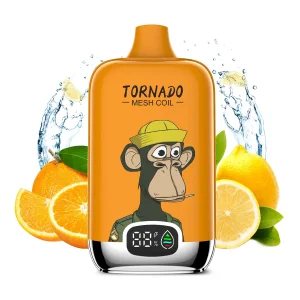
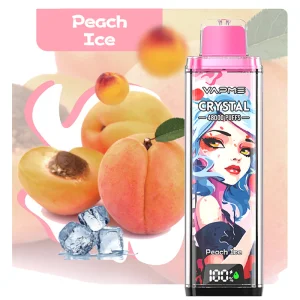

 Turtle Vape