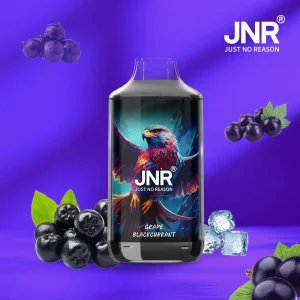
A procurement briefing for distributors, retail chains, private-label brands, marketplace sellers, and enterprise buyers who need semantic depth, supplier verification logic, and localized export insight when sourcing non-rechargeable and adjacent vape hardware for Siberia’s largest commercial hub.
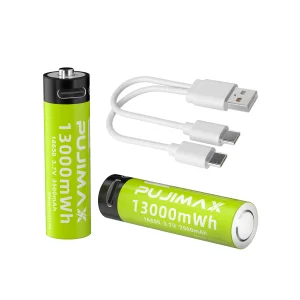
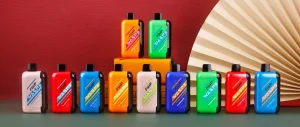
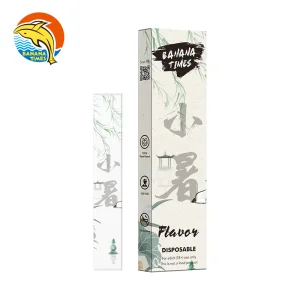
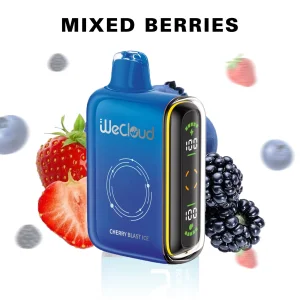
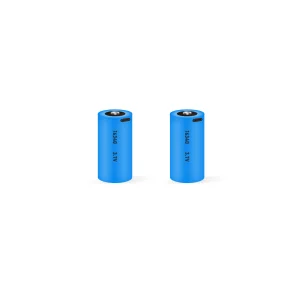
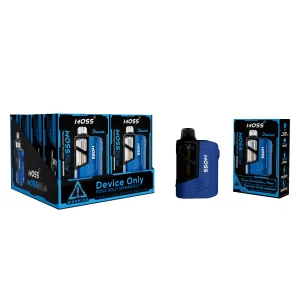
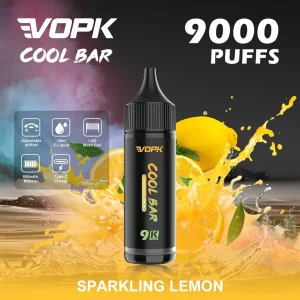
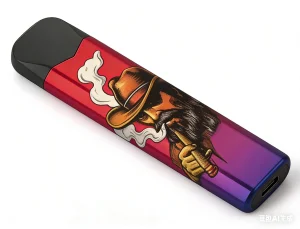
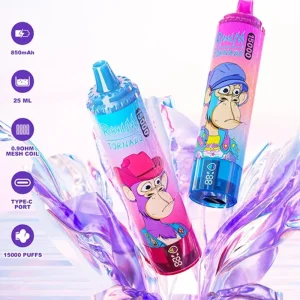
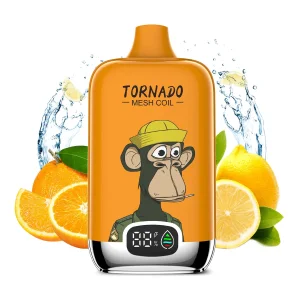
These four source-verified product links appear first because they let buyers compare display-led disposables, custom OEM/ODM accessories, lithium-battery supply, and travel-ready pen formats quickly. Every original product URL and product image has been retained for direct inquiry and supplier evaluation.
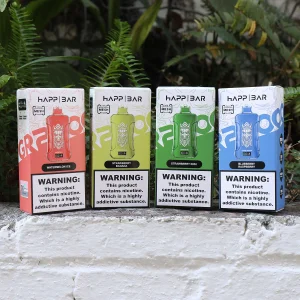
The strongest B2B opportunity is not defined by a single puff count. It is defined by the ability to match product simplicity, adult-only retail controls, cold-season logistics, and distributor economics in one of Siberia’s most concentrated commercial markets.
Novosibirsk is the largest city in Siberia and one of Russia’s most important scientific, industrial, and transport centers. For importers, its relevance is practical rather than symbolic: it concentrates regional wholesale buying, logistics services, retail chains, marketplace operators, and private-label entrepreneurs serving the Siberian Federal District. The city sits on major rail and road corridors, and Tolmachevo Airport supports air cargo connectivity. For a category such as non-rechargeable disposable vapes, that combination creates a distinctive procurement environment: buyers need products that are simple to sell, easy to explain at retail, and robust enough to move through long replenishment cycles.
Semantic search intent for the phrase “non-rechargeable disposable vapes factory in Novosibirsk” is rarely a consumer search. It usually comes from a distributor, retail buyer, marketplace seller, or brand owner asking four deeper questions: Can the factory support repeatable quality? Can it ship to a Novosibirsk partner without avoidable compliance friction? Can the product assortment match local flavor and pricing expectations? Can the supplier provide content and documentation that make the product easier to sell responsibly? A supplier page that answers only “we are a factory” misses most of the buying committee’s intent.
The Novosibirsk retail ecosystem includes specialized adult-only vape stores, tobacco retail, convenience channels, marketplaces, and regional distributors. Buyers in these channels often prefer non-rechargeable disposable formats for their lower handling complexity, sealed presentation, and clear price ladder. However, “non-rechargeable” should not be confused with “regulation-free.” Age restrictions, labeling, import documentation, advertising limits, and retail display rules require local verification. This white paper is not legal advice; it is a procurement framework designed to help importers ask better questions before committing to inventory.
Cold-season logistics deserve specific attention. Novosibirsk’s winter conditions can affect product storage, packaging seals, and the buyer experience if devices are exposed to temperature swings during transit or warehousing. A responsible factory should discuss storage guidance, packaging integrity, batch testing, and realistic handling conditions with the importer. Avoid suppliers that promise “winter-proof” performance without evidence. Instead, request sample evaluation records, packaging checks, and clear storage instructions that your distributors can implement.
Finally, Novosibirsk is a gateway rather than an endpoint. A successful launch in the city can inform assortment decisions across nearby industrial regions, remote retail networks, and cross-border distribution routes. That is why a factory brief for Novosibirsk should include scalable SKU logic, mixed-container flexibility, and replenishment planning. The objective is not a one-off shipment; it is a repeatable adult-only B2B supply program.
Plan around long inland distances, seasonal bottlenecks, and mixed-SKU containers. Buyers should discuss lead times, buffer stock, and packaging durability before choosing a promotional calendar.
Request realistic storage guidance, packaging seal checks, and sample observations for low-temperature transport. Avoid unsupported “winter-proof” claims and document handling standards.
Verify local rules on import documentation, labeling, retail display, advertising, and adult-only access. Build compliance into packaging and channel instructions from the beginning.
Balance price ladder, flavor breadth, puff tiers, and case pack sizes. A fast-turning assortment usually outperforms a catalogue dump that ignores local retail realities.
The following checklist is intentionally practical. It translates vague supplier promises into procurement questions that can be documented, compared, and approved by a buying committee.
| Procurement question | Why it matters in Novosibirsk | Recommended supplier evidence |
|---|---|---|
| Which documents prove conformity? | Do not assume that documentation for one SKU, label version, or importer automatically transfers to another. | Request product-specific documents, test reports where applicable, updated label artwork, and a clear importer responsibility matrix. |
| Does the SKU fit cold-weather storage and transport? | Winter temperature swings can influence product condition, packaging integrity, and return rates. | Run sample checks, verify seals and master-carton durability, and ask for written storage and handling recommendations. |
| Can we control the adult-only channel? | Restrictions on retail display, advertising, and age access vary and must be checked with local counsel. | Use age-gated B2B terms, distributor instructions, warning-label reviews, and traceability through batch codes. |
| Which SKU turns fastest? | Non-rechargeable devices often suit trial purchases, impulse retail, and unplanned replacement better than high-complexity hardware. | Start with tested puff-count tiers, core flavor families, and packaging formats; expand only after sell-through evidence. |
| Can the factory support private label? | Regional distributors increasingly want localized branding, packaging differentiation, and exclusive flavor concepts. | Review OEM/ODM workflow, artwork approvals, MOQ logic, packaging samples, and production timelines in writing. |
For Novosibirsk buyers, the advantage of a Shenzhen-based factory is not merely cost. It is the density of component suppliers, flavor houses, packaging specialists, electronics engineering, and export logistics within a short radius. That ecosystem shortens iteration cycles and helps validate a SKU before a distributor commits to a season or container plan.
A China factory that serves a Siberian market must operate as more than an assembly line. It should function as an export partner: interpreting the buyer brief, checking label artwork, controlling batch consistency, preparing commercial documents, and responding to after-sales questions with traceable information. This is especially important for non-rechargeable disposable vapes, where the product is simple from the buyer’s perspective but depends on disciplined battery sourcing, leak control, flavor dosing, and final inspection.
Shenzhen Turtle Vape Co., Ltd. is a professional China disposable vape manufacturer dedicated to the research, development, production, and global distribution of high-quality electronic cigarette products. As an experienced OEM & ODM vape device supplier, the company is committed to providing innovative, reliable, and market-oriented vaping solutions for customers worldwide.
Located in Shenzhen, China's leading hub for electronic innovation, Shenzhen Turtle Vape Co., Ltd. operates advanced manufacturing facilities equipped with modern production lines and stringent quality control systems. The company specializes in a wide range of products, including disposable vapes, rechargeable disposable devices, pod systems, and customized electronic cigarette solutions designed to meet diverse market demands.
Innovation is a key driving force behind the company's growth. Supported by a skilled R&D team, Shenzhen Turtle Vape Co., Ltd. continuously develops new technologies, improves product performance, and introduces fashionable designs that enhance the overall vaping experience. The company also offers comprehensive OEM and ODM services, enabling clients to customize product appearance, specifications, packaging, and branding according to their unique business requirements.
Quality and safety remain top priorities throughout the manufacturing process. From raw material selection to final product inspection, every stage is carefully monitored to ensure compliance with international quality standards and industry regulations. This commitment enables the company to deliver consistent, safe, and dependable products to customers across global markets.
Driven by innovation, quality, and customer satisfaction, Shenzhen Turtle Vape Co., Ltd. strives to become a trusted long-term partner for global vape brands, distributors, and wholesalers seeking premium disposable vape manufacturing solutions.



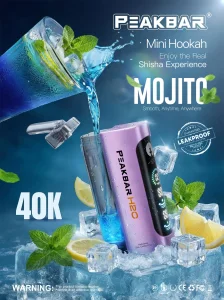
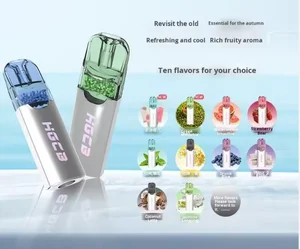
These four additional original products are placed in the middle of the page so the first-look and bottom portfolio remain easy to scan. They include larger-puff display models, zero-nicotine formats, refillable/shisha-style hardware, and lithium batteries. Buyers should classify such adjacent items separately from non-rechargeable disposables during product registration, customs planning, and retail training.
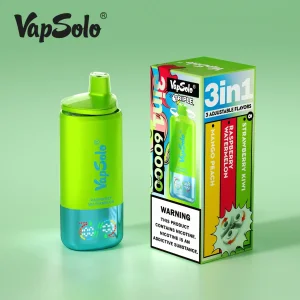
The non-rechargeable category is moving from anonymous price competition toward controlled programs. Enterprise buyers increasingly evaluate display accuracy, draw consistency, leak resistance, flavor stability, packaging quality, documentation, and adult-only channel controls before they discuss volume.
Puff-count inflation is common in marketing, so a serious buyer should compare realistic usable capacity, tested coil behavior, case-pack economics, and local price positioning rather than focusing only on the largest number on the box. For Novosibirsk distributors, the winning assortment is often a ladder: entry-level trial SKUs, proven core flavors, premium display models for adult specialist retail, and a small number of differentiated formats for private-label testing.
Non-rechargeable devices also attract environmental scrutiny because they contain a battery. A credible supplier should discuss responsible disposal guidance, packaging minimization, transport documentation, and local waste-rule verification with the importer. Avoid vague “eco-friendly” claims. Information gain in this category comes from transparent handling guidance, not from health or environmental exaggeration.
Battery indicators, puff counters, and smart screens create retail interest, but they also require firmware consistency, quality checks, and clear user instructions.
Mesh coil structures and repeatable flavor dosing matter more than a crowded flavor list. Buyers should request batch comparison samples and leak checks.
Dual-tank, triple-flavor, and zero-nicotine concepts expand merchandising options, but they must be reviewed for local compliance and responsible positioning.
EU warehouse references and mixed-container planning can shorten replenishment cycles, but the buyer must verify importer of record, documentation, and stock ownership.
Warning text, language requirements, age statements, batch codes, and tamper evidence should be designed before artwork approval, not patched after arrival.
Battery-containing products should be sold with clear adult-only handling advice and locally verified disposal information. Avoid unverified sustainability claims.
The scenarios below are strictly B2B and adult-only. They are not consumer marketing advice. Every scenario requires local legal review, age verification at retail, and responsible channel controls.
A Novosibirsk distributor does not buy “a disposable vape” in isolation. The buyer purchases a retail solution: a shelf-ready unit with a clear price point, a flavor story, a packaging size that fits the counter, a replenishment profile that matches demand, and after-sales information that can answer retailer questions. The most useful supplier content therefore maps products to real channel scenarios instead of repeating factory slogans.
Small-format, fast-turning SKUs with clear flavor descriptors and sealed presentation suit compact retail counters. Age-restricted display rules should be verified locally.
Mixed containers can combine entry, core, and premium puff tiers. Package stability, case-pack labeling, and winter storage guidance are practical selection criteria.
Compact, sealed devices may fit adult-only travel retail or hospitality supply, but import rules, local marketing limits, and age controls must be resolved before launch.
Marketplace operators need consistent packaging, product content, batch traceability, and platform-compliant claims. Supplier images and specifications should be complete.
OEM/ODM buyers can localize packaging, flavor names, and case configurations. Approvals should cover artwork, warning text, and product specifications in writing.
For adult-only channels where charging is impractical, non-rechargeable simplicity can reduce handling complexity. Disposal guidance and local waste rules still apply.
A reliable program is built in stages. The following six-step workflow helps buyers compare suppliers on execution rather than promises.
Define target channels, adult-only controls, price tiers, expected volumes, packaging language, and documentation responsibilities. Flag all compliance items for local counsel.
Reduce the catalogue to a focused set: one entry SKU, two core SKUs, one premium display SKU, and optional zero-nicotine or private-label trials.
Compare draw consistency, leak behavior, packaging quality, flavor accuracy, display functionality, and low-temperature handling observations.
Lock artwork, warning text, batch coding, case marks, language, and adult-only instructions. Do not approve packaging without a documented proof cycle.
Require inspection criteria, batch records, pre-shipment photos, packing lists, commercial documents, and a clear process for non-conformity review.
Plan shipping mode, consolidation, buffer inventory, and repeat-order cadence. A reliable supply program reduces emergency freight and stockouts.
Before confirming a Novosibirsk shipment, ask for master-carton compression checks, inner-box moisture protection, batch code legibility after storage, clear handling instructions, and a sample review after simulated temperature cycling. This is not a guarantee of performance; it is a documented conversation that separates serious export partners from catalogue-only suppliers.
Whether the buyer is in Novosibirsk, the European Union, the Middle East, or the Americas, enterprise procurement teams tend to evaluate the same five dimensions: product consistency, compliance readiness, commercial flexibility, communication quality, and after-sales discipline.
Price is important, but it is rarely the only variable in a repeatable program. A lower unit cost can be erased by packaging rework, delayed documentation, inconsistent flavor, or a slow response when a distributor reports a batch issue. A reliable supplier makes the buying process visible: sample timestamps, specification sheets, packaging proofs, inspection reports, pre-shipment images, and a named contact for commercial and quality questions.
For Novosibirsk-focused programs, procurement should also consider regional replenishment. A mixed container can reduce freight waste, but it increases the need for precise SKU labels, master-carton mapping, and documentation that matches the actual shipment. Buyers should avoid treating an EU warehouse listing, factory stock, or a distributor’s local inventory as interchangeable without written confirmation of ownership, compliance responsibility, and delivery terms.
These answers are written for B2B buyers. They do not replace local legal, customs, or product-registration advice.
It generally refers to a sealed, pre-filled device intended to be used without recharging the battery or refilling the pod. Wholesale buyers should confirm whether a specific model is truly non-rechargeable, because some catalogue listings use “disposable” for devices that still include a rechargeable battery or refillable pod component.
Yes, OEM/ODM support can cover product appearance, specifications, packaging, branding, flavor concepts, and case configurations. A responsible buyer should approve artwork, warning text, batch coding, and product specifications in writing before mass production.
Compliance must be verified with local counsel and qualified specialists for Russia and the relevant EAEU requirements. Product documentation, labeling, age restrictions, retail display rules, advertising limits, and importer responsibilities should be resolved before shipment.
MOQ depends on the model, packaging, customization, and production schedule. Instead of asking only for a number, send a written brief covering target SKUs, estimated volume, private-label needs, packaging language, delivery destination, and required documents.
Samples are typically the first step in supplier validation. Ask for sample fees, lead time, shipping terms, and whether the sample matches the exact production version, including packaging and display functionality.
Discuss storage conditions, packaging protection, master-carton durability, and temperature exposure during transport. Request realistic handling guidance rather than unverified “winter-proof” claims, and document any agreed packaging upgrades.
Some suppliers can support mixed-SKU orders or refer to regional warehouse availability. Buyers must confirm stock ownership, product version, importer of record, documentation, delivery terms, and whether the warehouse reference applies to the exact SKU being purchased.
Use a documented process: specification approval, sample comparison, packaging proof, inspection criteria, pre-production meeting, and pre-shipment inspection. For repeat orders, compare batches and require traceable batch codes.
They may be treated differently depending on the destination market, product classification, and product claims. Buyers should not assume that a zero-nicotine vape, battery accessory, lighter, or refillable pod falls under the same import and retail rules as a non-rechargeable pre-filled vape.
Prepare a brief that states your company profile, target channels, adult-only controls, preferred SKU formats, estimated volume, packaging language, destination city, and required documentation. Then contact the factory directly and request a written quotation and sampling plan.
Share your target SKUs, estimated volume, packaging language, compliance questions, and preferred delivery route. The factory can then respond with a focused product recommendation, sampling plan, and commercial proposal.
The final portfolio preserves eight original product URLs and images in a two-row desktop grid. On smaller screens, the cards remain complete and responsive without breaking the image ratio or hiding product details.
 Turtle Vape