Explore our top-tier vaping devices, sub-assemblies, and smart vapor accessories engineered under rigorous quality benchmarks to serve global distributors and importers.

The global vaping and vaporizer supply chain is transitioning from a period of rapid product iteration to a highly regulated, quality-driven era. In this new landscape, China stands as the heart of manufacturing, producing over 90% of the world's vaping hardware. However, for B2B buyers, distributors, and global brands, the key differentiating factor is no longer merely cost, but the execution of rigorous Quality Control (QC) Protocols. High-performance disposable pods, rechargeable battery pens, and intelligent vaporizer technologies demand exact tolerances, chemical safety parameters, and electronic stability to withstand compliance audits worldwide.
As dynamic regulatory frameworks such as the FDA's PMTA (Premarket Tobacco Applications) in the United States and the EU’s TPD (Tobacco Products Directive) enforce stringent hardware and emission testing, vape exporters must establish integrated end-to-end QC practices. This document details the engineering requirements, material validation protocols, and factory auditing parameters necessary to ensure defect-free mass production of aerosol delivery devices.
Stricter enforcement of hardware chemistry and heavy metal constraints requires factories to implement systematic chemical validation at the raw material stage.
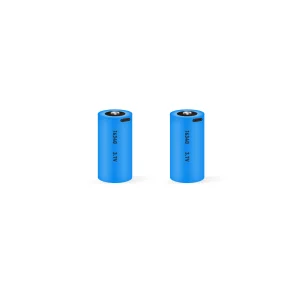
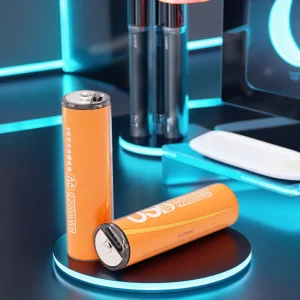
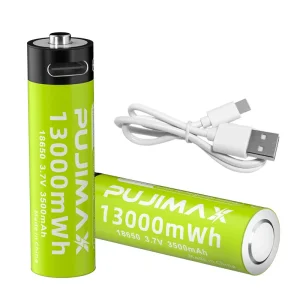
Lithium-ion stability is critical. Implementing automated cell grading, protection circuits, and charge-discharge cycling guarantees consumer safety.
Full-lot traceability from the raw heating wire to the finished cartridge packaging allows for quick isolate-and-recall action if anomalies occur.
Vaping devices are complex electro-mechanical units designed to heat viscous liquids to dynamic boiling points without releasing dangerous combustion byproducts. To control this, reputable Chinese manufacturers deploy distinct engineering checks at various stages:
Ensuring that e-liquids do not leach heavy metals from hardware components is a primary concern for importers in the US and EU. Leading exporters inspect raw copper, zinc alloy, and ceramic components via Inductively Coupled Plasma Mass Spectrometry (ICP-MS). Only components verified below lead limits (<0.05 mg/kg) are cleared for cleanroom assembly.
Since vaping devices are portable products worn or held near the body, battery integrity is paramount. Standard protocols require high-precision automated grading. Battery cells are stored for a 72-hour aging period to weed out internal micro-shorts. All advanced rechargeable devices must be designed with overcharge, over-discharge, and short-circuit protection circuits (IC chips).
Testing protocols should simulate user puff patterns using specialized inhalation machines. These systems measure e-liquid vaporization efficiency, aerosol temperature consistency, and the potential presence of unwanted compounds under continuous operation. This data is critical for PMTA and TPD registrations.
Navigating international import regulations is a primary concern for wholesale vape buyers. A manufacturer's ability to maintain high compliance standards is as important as the physical quality of the hardware.
In the United States, the FDA's PMTA pathway evaluates the public health impact of the entire product assembly, including e-liquids and battery safety. In the European Union, compliance with TPD Article 20 is mandatory. This requires comprehensive toxicology profiling of emissions, child-resistant packaging, and strict tank volume limits (maximum 2ml for commercial prefilled systems).
To address these requirements, professional Chinese vaping exporters have set up internal compliance offices. These teams prepare documentation, including Material Safety Data Sheets (MSDS), UN38.3 lithium battery transportation certificates, CE, and RoHS declarations, allowing goods to clear international customs smoothly.
Requires deep physical and chemical characterization of all device plastics, metals, and heating components under high thermal loads.
Requires emission safety certificates, child-resistant and tamper-evident container designs, and leakage-free refilling mechanisms.
Ensures all lithium battery configurations are safe for air cargo, sea transport, and international logistics distribution.
Modern supply chains require more than just shipping products from point A to point B. Lead times, customs clearance stability, and inventory holding costs significantly impact the margins of vape wholesalers.
To address these pain points, leading Chinese vape manufacturers are implementing localized logistics strategies, such as setting up dedicated regional hubs. By keeping inventory in European Warehouses and regional hubs in the US, distributors can secure fast restocking times (typically 3–5 working days instead of 4 weeks) and avoid customs bottlenecks.
Additionally, the industry is shifting toward highly customized ODM/OEM operations, allowing importers to order custom empty hardware configurations, print localized brand packaging, and manage e-liquid filling processes locally to comply with specific regional regulations.
As the market matures, quality control processes must evolve to support new product technologies. The next wave of vaporizers will incorporate smart electronics and eco-friendlier designs.
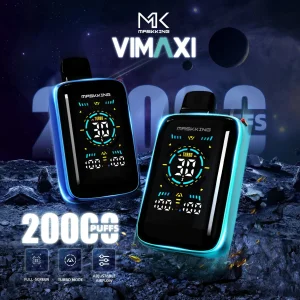
Adding high-precision LED screens to track remaining e-liquid volume, battery life, and voltage output in real time.
Developing biodegradable outer shells (such as wood-stick formats) and recyclable battery assemblies to meet future environmental regulations.
Integrating dual-tank systems with mechanical switches, allowing users to toggle between different profiles in a single unit.
Deploying Bluetooth chips in vaporizers for remote lockouts, child safety blocks, and output adjustments via mobile apps.
Shenzhen Turtle Vape Co., Ltd. is a professional China disposable vape manufacturer dedicated to the research, development, production, and global distribution of high-quality electronic cigarette products. As an experienced OEM & ODM vape device supplier, the company is committed to providing innovative, reliable, and market-oriented vaping solutions for customers worldwide.
Located in Shenzhen, China's leading hub for electronic innovation, Shenzhen Turtle Vape Co., Ltd. operates advanced manufacturing facilities equipped with modern production lines and stringent quality control systems. The company specializes in a wide range of products, including disposable vapes, rechargeable disposable devices, pod systems, and customized electronic cigarette solutions designed to meet diverse market demands.
Innovation is a key driving force behind the company's growth. Supported by a skilled R&D team, Shenzhen Turtle Vape Co., Ltd. continuously develops new technologies, improves product performance, and introduces fashionable designs that enhance the overall vaping experience. The company also offers comprehensive OEM and ODM services, enabling clients to customize product appearance, specifications, packaging, and branding according to their unique business requirements.
Quality and safety remain top priorities throughout the manufacturing process. From raw material selection to final product inspection, every stage is carefully monitored to ensure compliance with international quality standards and industry regulations. This commitment enables the company to deliver consistent, safe, and dependable products to customers across global markets.
Driven by innovation, quality, and customer satisfaction, Shenzhen Turtle Vape Co., Ltd. strives to become a trusted long-term partner for global vape brands, distributors, and wholesalers seeking premium disposable vape manufacturing solutions.

Premium OEM/ODM factories operate ISO Class 7 or Class 8 (100,000 clean air-particulate ratings) cleanrooms. Air is filtered continuously to prevent dust contamination during the assembly of heating elements, cotton wicks, and prefilled pod cartridges, minimizing leakage risks and flavor degradation.
Every batch of batteries undergoes comprehensive cycling tests. This includes overcharge protection testing, high-impact drop tests, short-circuit heat-runaway testing, and safety chip confirmation. Certifications like UN38.3 and MSDS are standard to ensure safe transit.
Exporters work with third-party testing labs to perform emissions analysis using GC-MS and ICP-MS. They draft regulatory submission dossiers detailing chemical safety profiles, leak-free filling compliance, and child-safe lock certifications before shipping products to EU-based importers.
Yes. Custom ODM/OEM empty cartridges, pods, and disposable kits with integrated charging ports are designed specifically for domestic automated filling machines. This configuration is widely used by global brands to comply with local tax, labeling, and nicotine strength rules.
Explore our rechargeable batteries, high-puff pods, and specialty aromatics produced to meet strict safety and compliance standards.
 Turtle Vape