CE Certified Flavor Pairing in Vaping Factory & Exporters

Scientific Flavor Chemistry, Advanced E-Liquid Formulation, and Global Compliance Standards for Wholesale OEM/ODM Distribution

The Science of Flavor Pairing in Contemporary Aerosol Delivery

Analyzing molecular interaction, vaporization thresholds, and chemical compatibility for premium vaping devices.

In the modern vaping industry, flavor development has transitioned from basic single-note formulations to complex, multi-layered chemical pairing profiles. As a leading manufacturer, Shenzhen Turtle Vape Co., Ltd. utilizes state-of-the-art analytical chemistry to study how flavor molecules interact at various temperatures. Dynamic vapor systems require an understanding of how aromatic aldehydes, esters, and terpenes behave under the thermal stress of heating coils.

Flavor pairing in vaping is governed by chemical synergy. When two or more compounds are mixed, they can enhance, suppress, or modify the overall sensory perception. For instance, pairing a sharp citrus terpene (such as limonene) with a rich cream note (often containing acetylpropionyl) requires precise balancing of boiling points to ensure that the user experiences a cohesive profile throughout the inhalation and exhalation cycle, rather than an uncoordinated, fragmented delivery.

Crucially, the medium of delivery—primarily a mixture of Vegetable Glycerin (VG) and Propylene Glycol (PG)—affects flavor release. PG acts as a highly effective carrier for organic flavor compounds due to its lower viscosity and polar nature, whereas VG provides the density and body of the aerosol cloud but can slightly mute delicate high-note flavor molecules. Determining the optimal VG/PG ratio is therefore a core phase in our OEM flavor development pipeline.

Molecular Synergy Modeling

By profiling molecular structures, our R&D teams match volatile organic compounds with compatible vaporization temperatures, preventing flavor degradation during heating cycles.

Optimized Viscosity Carriers

Fine-tuning the VG/PG ratio is critical to preventing spit-back or dry hits, while maintaining the clean transmission of nuanced botanical and synthetic flavor compounds.

Thermal Stability Profiles

We systematically test all e-liquid formulas across a broad range of wattages and coil resistances to ensure consistent flavor delivery without toxic byproduct generation.

Global Commercial & Industrial Status of E-Liquid Pairing

Navigating changing demographics, supply chains, and strict regulatory frameworks across international borders.

The global e-cigarette market has shifted from basic open-tank configurations to high-capacity smart disposable devices. Key exporters, particularly in China's manufacturing capital of Shenzhen, must keep pace with both consumer trends and strict regulatory standards. Specifically, obtaining CE Certification is essential for businesses looking to export to the European Economic Area (EEA).

CE Certification serves as a declaration that the product complies with the essential health, safety, and environmental protection requirements set out in EU directives. For electronic cigarettes, this involves compliance with the Electromagnetic Compatibility (EMC) Directive, the Restriction of Hazardous Substances (RoHS) Directive, and the Tobacco Products Directive (TPD). Our manufacturing processes at Shenzhen Turtle Vape Co., Ltd. are structured around these rigorous requirements, ensuring that every batch of vapes we ship is safe, reliable, and compliant.

Outside of Europe, global trade requires adapting to regional preferences. For example, North American markets lean toward large-capacity devices with bold, ice-infused sweet notes, whereas Middle Eastern consumers favor rich, hookah-style flavor pairings like Double Apple and Mint. Navigating these regional dynamics requires deep industry experience and a versatile manufacturing platform.

EMC Testing

Ensures that the electronic components of the vaping device do not emit harmful electromagnetic radiation or interfere with other electronic devices.

RoHS Compliance

Guarantees that all electronic assemblies, solders, and wires are completely free of hazardous substances such as lead, cadmium, and mercury.

TPD Article 20

Requires detailed toxicological reports on all e-liquid ingredients, emissions testing under standard use conditions, and secure packaging safeguards.

GMP Cleanrooms

Our ISO-certified manufacturing facility operates sterile, positive-pressure cleanrooms to prevent particulate contamination during e-liquid filling.

Industrial Capabilities & Market Footprint

A statistical overview of our manufacturing scale and commitment to international safety standards.

100%
CE & TPD Compliant
50k+
Max Puff Capacity Devices
20+
Patent-Pending Flavor Technologies
80+
Global Export Markets Covered

Technological Roadmap & Future Flavor Horizons

Exploring dual-mesh coils, smart temperature control, and active functional ingredients in aerosol development.

The future of the vaping industry lies in hardware-flavor integration. Traditional heating elements often cause caramelization of sugars and degradation of flavor compounds when subjected to inconsistent temperatures. To solve this, our technical roadmap focuses on implementing smart microprocessors capable of real-time temperature regulation. This ensures that the heating element remains within the optimal vaporization range of the specific flavor profile.

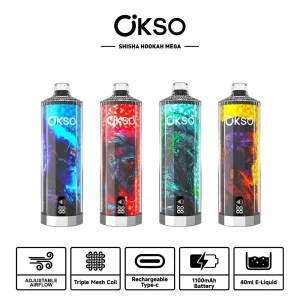
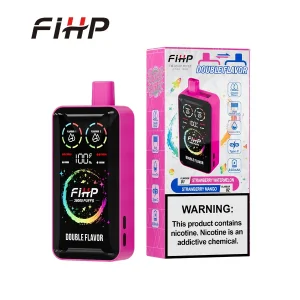
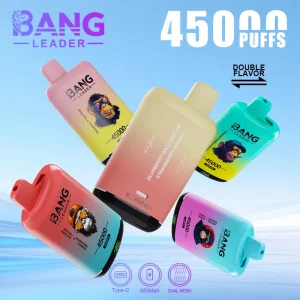
Additionally, the shift toward Dual-Flavor / 2-in-1 Hardware has created new opportunities for flavor pairing. By including independent e-liquid reservoirs and switchable heating elements, users can transition between complementary profiles, such as a rich berry note and a cooling menthol, without flavor muddying. We also integrate triple-mesh coil structures to distribute heat evenly across a larger surface area, maintaining flavor consistency from the first puff to the last.

We are also tracking the growth of zero-nicotine functional vapes. These devices focus on delivering botanical extracts, vitamins, and aromatherapy blends (like melatonin or energy boosters) designed for wellness-focused consumers. Developing these formulations requires rigorous testing to ensure stability under vaporization temperatures while maintaining a smooth, satisfying draw.

Macro Industry Solutions: OEM/ODM Customization for Global Brands

How Shenzhen Turtle Vape Co., Ltd. partners with global distributors and brands to deliver compliant, market-ready products.

For global distributors and brands, bringing a new vaping device to market requires navigating a complex path of development, regulatory approval, and manufacturing. Shenzhen Turtle Vape Co., Ltd. offers an end-to-end OEM and ODM platform that simplifies this process. Located in Shenzhen, China's electronic innovation hub, our facilities are equipped with the advanced technology and quality control systems needed to handle large-scale orders while maintaining strict compliance.

Our OEM/ODM process begins with collaborative flavor and hardware design. We work with clients to develop custom e-liquid formulations, configure coil resistances, design hardware aesthetics, and engineer user interfaces. Once a prototype is approved, we perform thorough analytical testing, including gas chromatography-mass spectrometry (GC-MS) and aerosol emissions testing, to ensure compliance with CE and TPD standards. Finally, our automated production lines package and label the products, ensuring they are fully compliant with the destination country's regulations before shipping.

1. Formulation & Hardware Design

Collaboratively select nicotine salt percentages, custom flavor profiles, VG/PG ratios, and design the physical hardware housing and display elements.

2. Testing & Compliance Verification

Run comprehensive chemical, electrical, and emissions tests in ISO-certified labs to verify compliance with CE, RoHS, TPD, and regional directives.

3. Scaled Production & Global Logistics

Utilize high-speed automated assembly, cleanroom filling, and custom packaging, backed by logistics partners for secure global shipping.

Expert Q&A: Flavor Pairing & Regulatory Compliance

Addressing common technical and regulatory questions from global distributors and brand managers.

What are the key requirements for a vaping device to receive CE Certification?
To receive CE certification, a vaping device must pass tests demonstrating compliance with three key European directives: the Electromagnetic Compatibility (EMC) Directive (ensuring no harmful electronic emissions), the RoHS Directive (restricting hazardous substances in hardware components), and the Tobacco Products Directive (TPD) (requiring emission and chemical analysis of the aerosol and e-liquid).
How does temperature control affect flavor preservation in high-puff disposables?
Consistent temperature control prevents the heating coil from exceeding the degradation points of delicate flavor compounds. When temperature is regulated, flavor profiles remain clear and consistent, avoiding the dry hits, burnt tastes, or chemical breakdown associated with overheated coils.
Why is the VG/PG ratio critical when developing paired e-liquid profiles?
Propylene Glycol (PG) is an effective carrier for flavor notes but produces a thinner vapor, while Vegetable Glycerin (VG) produces thick, dense clouds but can slightly mute subtle flavor nuances. Balancing these two ingredients ensures both strong flavor delivery and satisfactory vapor production.
Can zero-nicotine functional vapes contain active organic compounds?
Yes. Zero-nicotine devices can be formulated with functional ingredients such as melatonin, vitamins, and natural botanical extracts. However, these formulations must be carefully designed and tested to ensure the active compounds remain stable and effective under vaporization temperatures.
How does dual-mesh technology improve flavor delivery in modern vapes?
Dual-mesh coils distribute heat over a larger surface area compared to traditional single coils. This larger surface area allows for more even vaporization of the e-liquid, which enhances vapor density, prolongs coil life, and helps maintain flavor consistency over the life of the device.