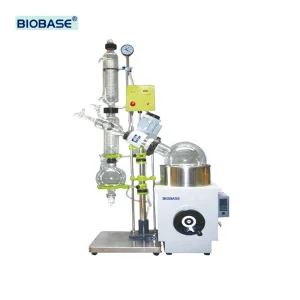
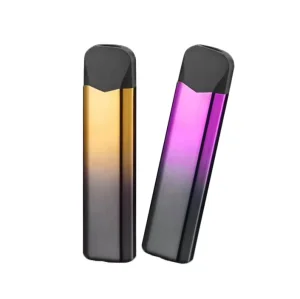
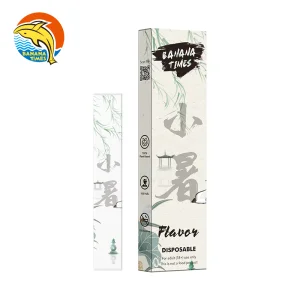
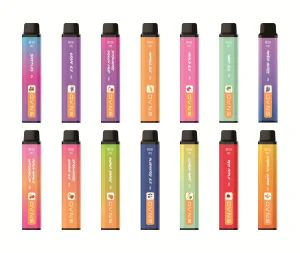
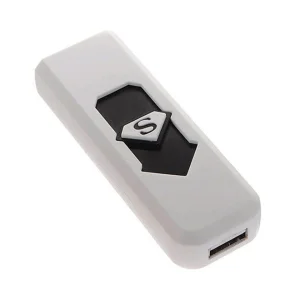
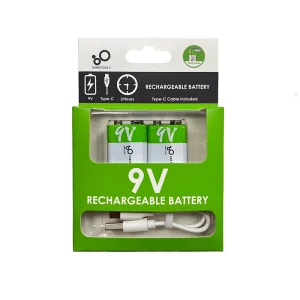
Pioneering hardware solutions engineered in compliance with global safety regulations, featuring industry-leading airflow, atomization tech, and structural components.
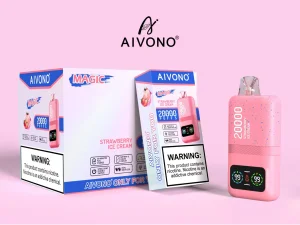
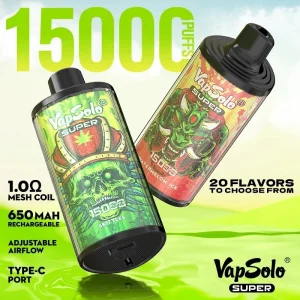
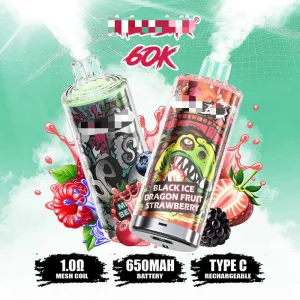
Flavor concentrates are complex, multi-component chemical matrices that define the sensory characteristics of consumable goods, ranging from confectionery and beverages to inhalation-based systems such as electronic nicotine delivery systems (ENDS). In a highly scrutinized global marketplace, the manufacturing, extraction, synthesis, and distribution of flavor formulations require strict adherence to chemical purity standards.
Historically, flavor concentrate sourcing relied on regional agricultural yields, which often suffered from batch-to-batch inconsistency due to weather and environmental factors. Modern industrial manufacturing has shifted toward high-performance raw isolation, utilizing molecular distillation, supercritical CO2 extraction, and targeted chemical synthesis to create standardized flavor isolates. These processes ensure that volatile organic compounds (VOCs) remain mathematically uniform across thousands of metric tons. For B2B buyers—specifically, consumer packaged goods (CPG) companies and vape device manufacturers—consistency is not simply a metric of quality, but a fundamental prerequisite for brand survival.
“Regulatory compliance under European TPD, FDA regulations, and CE certifications has transformed the flavor industry from simple recipe mixing to molecular chemistry and rigorous toxicological safety testing.”
While the CE (Conformité Européenne) mark is historically recognized as an electronics-related declaration of compliance, its application within the vaping, aerosolization, and chemical device landscape is highly critical. A CE certification on e-cigarette assemblies, vaporizers, and heating elements guarantees that the thermal vaporization of liquid flavors occurs under stable electrical parameters, preventing the overheating of flavor molecules that can lead to thermal degradation.
When flavor concentrates are deployed in advanced vaping systems—such as dual-power mesh coil devices—they are exposed to variable temperatures. Under CE-certified hardware designs, voltage regulation prevents the localized burning of natural flavor isolates. Uncontrolled thermal degradation of carrier agents like Propylene Glycol (PG) and Vegetable Glycerin (VG) can yield harmful carbonyls like formaldehyde, acetaldehyde, and acrolein. Thus, B2B procurement strategies must treat hardware engineering (CE-certified vaping circuits) and chemical formulation (flavor concentrates) as interconnected elements of a unified safety system.
Every single batch of our flavor concentrates undergoes rigorous GC-MS testing to confirm the complete exclusion of restricted compounds such as diacetyl, acetyl propionyl, and acetoin.
We configure viscosity levels, carrier liquids, and thermal stability targets to perfectly match open-pod systems and high-wattage sub-ohm coils.
Through our dedicated EU warehouses and efficient logistics pathways, we ensure stable raw material supplies that streamline custom clearance protocols.
Operating at the center of the global hardware and formulation supply chain is Shenzhen Turtle Vape Co., Ltd. As a premier China disposable vape manufacturer, the company has integrated advanced research, development, and high-performance production facilities in the Bao'an District of Shenzhen. The company is built to handle complex OEM/ODM demands. By combining automated hardware manufacturing with cleanroom flavor blending processes, Shenzhen Turtle Vape ensures that the flavor delivery matches the structural design of the coil.
Shenzhen's manufacturing hub provides the company with access to advanced hardware components, rapid prototyping, and specialized chemical supply networks. Operating under ISO-certified cleanroom conditions, Shenzhen Turtle Vape develops devices ranging from entry-level 600-puff systems to high-capacity 20,000-puff mesh coil platforms. The engineering team balances air intake, coil resistance, and carrier viscosity to prevent spit-back, dry burns, and volatile flavor loss.
Through integrated R&D, the company works closely with flavor chemists to evaluate how compounds react to different temperatures. For instance, cooling agents (such as WS-23) are balanced with sweetening agents to ensure they remain stable under different heat levels. By focusing on both electronic design and flavor chemistry, Shenzhen Turtle Vape delivers reliable, market-ready products to B2B distributors and brand owners worldwide.
Daily Pod Capacity
Cleanroom Blending
Chemical Consistency
Export Countries
Shenzhen's dominance in the global vape supply chain stems from its deep industrial integration. The geographical clustering of battery producers, PCB fabricators, injection molding plants, and flavor laboratory networks allows for unmatched production efficiency. In the flavor concentrate sector, China-based chemical synthesis and extraction facilities offer clear advantages:
To assist procurement officers and laboratory directors in their technical evaluation, the following table details the baseline chemical standards adhered to by our certified factories:
| Specification Metric | Standard Baseline Value | Testing Protocol / Compliance Certificate |
|---|---|---|
| Chemical Purity (Active Carrier) | > 99.7% Propylene Glycol / VG USP Grade | GC-FID / HPLC analysis |
| Diacetyl & Acetyl Propionyl | Non-Detectable (ND) below 0.5 ppm limit | Gas Chromatography-Mass Spectrometry (GC-MS) |
| Heavy Metal Residues (Pb, As, Hg, Cd) | < 0.1 mg/kg limit | ICP-MS (Inductively Coupled Plasma Mass Spectrometry) |
| Thermal Degradation Threshold | Stable up to 260°C under continuous heat | Thermogravimetric Analysis (TGA) |
| Nicotine Carrier Options | USP Grade Pure Synthetic or L-Nicotine | Chiral HPLC purity confirmation |
| Regulatory Conformity | CE Mark, RoHS, REACH, TPD Directive compliance | SGS / TÜV SÜD Lab Certification Reports |
Within European jurisdictions governed by the Tobacco Products Directive (TPD), flavor concentrations must balance high flavor impact with the 2ml cartridge limit. Formulations require highly concentrated, low-viscosity profiles that atomize cleanly on low-wattage coils without producing carbon deposits. Our laboratory designs flavor profiles optimized for nicotine salts, ensuring smooth delivery at lower power settings.
Modern vaping systems, such as devices featuring 20,000 puffs, require flavors that remain stable over long periods. When flavor liquids remain in contact with plastic, silicone, and nickel-chrome heating wire for weeks, they must resist oxidation. Our products use food-grade stabilizers to prevent chemical breakdown and preserve the intended flavor profile from the first puff to the last.
The flavor industry is transitioning toward clean label formulations and green chemistry. As global regulators tighten restrictions on synthetic additives, demand for natural isolates and clean chemical extraction is growing rapidly. Advanced techniques, like encapsulation and sub-micron emulsion, are being developed to improve the shelf-life and heat stability of delicate flavor notes. Sourcing from factories that invest in these forward-looking R&D processes helps protect B2B supply chains against shifting regulatory standards.
A look at our advanced production facilities, automated cleanrooms, and quality control systems that ensure consistent manufacturing standards.

Technical and logistical insights for B2B procurement managers.
CE compliance ensures that the electronic systems, heating coils, and flavor liquids function safely together. It certifies that the heating components operate within controlled temperatures to prevent the chemical breakdown of carriers (PG/VG) into harmful carbonyls, verifying that the entire vaping assembly meets European safety and health directives.
We test every raw materials batch using Gas Chromatography-Mass Spectrometry (GC-MS) and High-Performance Liquid Chromatography (HPLC). We certify that diketones remain below the level of detection (LOD), ensuring compliance with international inhalation safety standards.
Yes. Our R&D team adjusts parameters like viscosity, PG/VG ratios, and cooling agent balance (such as WS-23) to match the temperature curves of specific coil configurations, preventing muted flavor or premature coil wear.
Standard OEM/ODM orders are typically produced and tested within 15–21 days. Shipping can be routed through our regional European warehouses (such as in Germany or Poland) to reduce delivery times to 3–7 business days, with all customs clearance handled by our logistics partners.
Explore our range of industrial vaporizers, certified rechargeable batteries, and child-resistant packaging options designed for global brands.
 Turtle Vape