7 Tips to Prevent Disposable Vape Leakage

Time:2026-09-26 Author:Sophia
0%

A leak can turn a clean device into a sticky pocket mess: liquid may collect around the mouthpiece, leave residue on fingers, or escape through the airflow opening. Yet reliable advice should separate practical precautions from claims the evidence cannot support. The National Academies’ 2018 report, Public Health Consequences of E-Cigarettes, reviewed device features and health evidence, but it does not establish a leakage rate for disposable devices. The CDC’s 2014 report on e-cigarette poison-center calls documented exposure concerns, not how often devices leak. Those limits matter.

This guide explains how to prevent disposable vape leakage with simple checks: store the device upright, avoid heat and pressure, and inspect it before carrying it beside keys or coins. Small details count. A hot car, a squeezed pocket, or a blocked opening may worsen leakage or damage. Stop using a device that is cracked, unusually warm, or visibly leaking; keep leaked liquid away from skin and children, and follow local disposal guidance. For credibility, one point needs to be clear: I could not verify a named industry expert’s published quote specifically about preventing disposable-vape leaks, so I will not invent one or attribute general advice to an expert. The seven tips that follow focus on cautious handling, clear warning signs, and the limits of available evidence. There is no guaranteed fix.
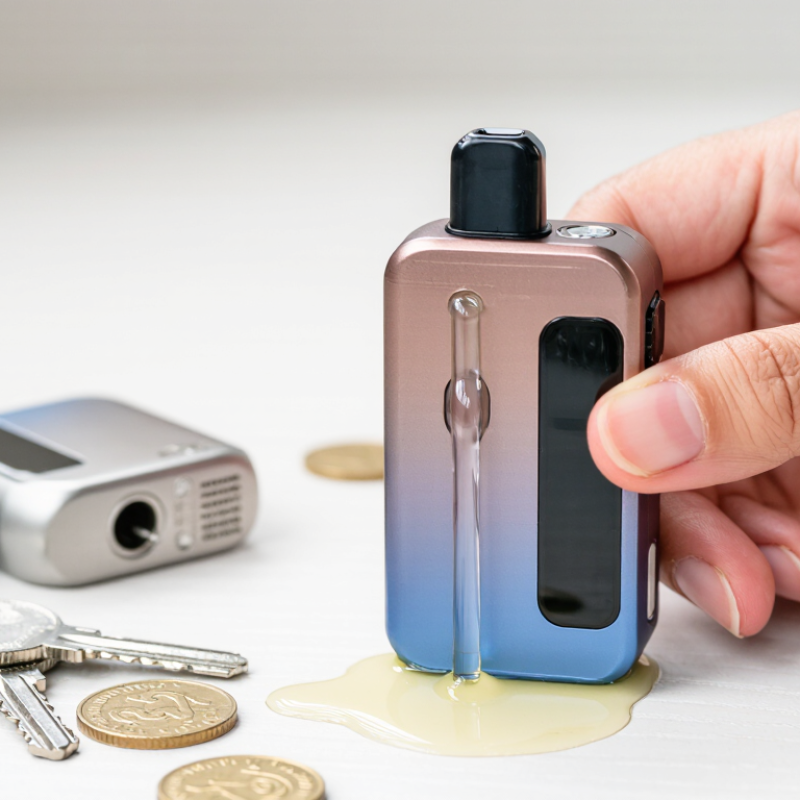
7 Tips to Prevent Disposable Vape Leakage

Common Causes of Disposable Vape Leakage

Common Causes of Disposable Vape Leakage

Moisture around a disposable vape’s mouthpiece may be condensation rather than a true leak. Warm air meeting a cooler surface can leave a few droplets behind. Wipe the area with a tissue, then check whether liquid returns. Small clue, big difference.

Temperature changes can also affect the liquid inside. A hot car, direct sunlight, or a cold outdoor pocket may alter pressure and make liquid seep through openings. Storing the device upright and away from heat can reduce this risk. Hard, repeated draws may pull excess liquid toward the mouthpiece, especially if airflow becomes restricted. It is easy to blame the device too quickly; sometimes storage or use patterns are part of the story.

A cracked casing, loose internal seal, or manufacturing defect can cause persistent leakage. Sticky liquid near seams or repeated wetness after wiping deserves attention. Do not open, puncture, or try to repair a disposable device. If it leaks continuously, feels unusually hot, or appears damaged, stop using it and follow local guidance for safe disposal. A little residue can be annoying. Battery damage is more serious.

Store the Device Upright and Away from Heat

Store a disposable vape upright when it is not in use, with the mouthpiece facing up. This position can help keep liquid away from the airflow path and reduce seepage through the mouthpiece. Heat can make e-liquid thinner and increase pressure inside the device, raising the chance of a leak. Keep it off sunny windowsills, radiators, and hot car dashboards. A shaded shelf is better. Keep it upright. Avoid leaving it loose in a warm pocket or bag, where body heat and pressure can combine.

The U.S. Fire Administration’s 2017 report, Electronic Cigarette Fires and Explosions, documented 195 incidents from 2009 to 2016, with 133 acute injuries. Those figures concern fires and explosions, not leakage, but they underline why storage conditions deserve care. Follow the device’s own storage instructions, since designs differ.

If you spot liquid around the mouthpiece or seams, wipe the exterior and keep the device away from heat; don’t try to open or repair it. A small amount of condensation can look like a leak, though. I’d check again after storing it upright on a cool surface.

Avoid Pressure, Impact, and Rough Handling

Pressure shifts and rough handling can disturb a disposable vape’s seals. Keep it gentle. The FAA’s aircraft pressurization standard, 14 CFR §25.841, generally limits cabin pressure altitude to 8,000 feet. NOAA’s U.S. Standard Atmosphere (1976) puts air pressure there near 75 kPa, compared with about 101 kPa at sea level. That change does not guarantee a leak, but it can affect trapped air inside a device. Keep the vape upright during travel, and avoid packing it where heavy items can crush it.

A tight pocket can squeeze the casing. A drop onto tile can also damage seams or internal connections, even when the shell looks intact. Store the device in a small protective case, away from keys, coins, and tools. Don’t twist the mouthpiece or press hard on the body. No squeezing. Heat matters, too: avoid leaving it in a sunlit car or beside a heater, where warm liquid may become thinner and escape more easily.

Inspect the device after a fall or major temperature change. Look for wetness around the mouthpiece, seams, or airflow openings. If it leaks, feels unusually hot, or appears cracked, stop using it and follow local battery-disposal guidance. A careful routine helps, but it cannot compensate for a faulty seal; I can’t tell whether a device is safe just by looking at its exterior.

Use the Vape as Directed and Keep Airflow Clear

Use the disposable vape only as its instructions describe. Keep it upright when possible, especially in a warm car or a crowded bag. Heat and pressure changes can encourage liquid to escape. Don’t squeeze the body, remove parts, or try to refill it. Small design differences matter, so avoid guessing.

Tips: Before use, check that the mouthpiece and airflow openings are clear. Keep lint, pocket debris, and your fingers away from the vents. Take gentle puffs rather than drawing hard; forceful inhaling may pull excess liquid into the airway. It is easy to overlook a partly blocked vent. Check it again.

If you notice moisture around the mouthpiece, stop and inspect the device without opening it. Wipe the outside with a dry tissue, then wash your hands. Don’t use a device that is cracked, unusually hot, or leaking repeatedly. Follow its disposal instructions. A clear airway helps, but it cannot prevent every leak. I’d avoid carrying one loose beside keys; that small habit is easy to forget.

Check for Leaks and Handle a Damaged Device Safely

A small wet spot around a disposable vape’s mouthpiece or base can signal a leak. Check the device before use, especially after it has been carried in a pocket or bag. Look for sticky residue, unusual dampness, cracks, or liquid near the airflow openings. Keep it upright and away from direct sunlight or hot cars; heat may worsen leakage. No device is guaranteed to stay leak-free.

Tip: Place the device on a clean tissue for a few minutes and check for fresh moisture. If you find liquid, avoid touching it with bare hands. Wash exposed skin with soap and water. If liquid gets into your eyes, rinse with clean water and seek medical advice. Small details matter.

Do not use, charge, squeeze, or try to open a damaged or leaking device. Put it on a nonflammable surface, away from children and pets, and avoid carrying it loose beside keys or coins. If it feels hot, swells, or gives off an unusual smell, move away and seek local fire-safety guidance. Arrange disposal through an appropriate battery or electronic-waste collection point, following local instructions. I might be tempted to wipe it and carry on, but that can hide the problem rather than solve it.

FAQS

How should I store a disposable vape?

Keep it upright, mouthpiece facing up, on a cool, shaded shelf. Keep it away from sunny windows, heaters, and hot cars.

Can heat increase the chance of leakage?

Yes. Heat can thin the liquid and increase pressure inside the device. Avoid warm pockets and car dashboards.

How can I reduce damage while carrying it?

Use a small protective case. Keep it away from keys, coins, tools, and heavy items. No squeezing.

What should I check after a drop or temperature change?

Look for dampness, cracks, or residue around the mouthpiece, seams, and airflow openings. The shell can look fine despite damage.

How can I tell whether a device is leaking?

Set it upright on a clean tissue for a few minutes. Check for fresh moisture. A little condensation can look similar.

What should I do if liquid is on the device?

Avoid touching the liquid with bare hands. Wash exposed skin with soap and water. If it reaches your eyes, rinse with clean water and seek medical advice.

Can I use or open a leaking device?

No. Don’t use, charge, squeeze, or open it. Place it on a nonflammable surface, away from children and pets.

What if the device feels hot, swells, or smells unusual?

Move away and seek local fire-safety guidance. Arrange disposal through an appropriate battery or electronic-waste collection point. Wiping it and carrying on might hide the problem.

Conclusion

Disposable vape leakage can happen when heat thins the liquid, pressure forces it through seals, rough handling damages the device, or blocked airflow interferes with normal use. Understanding these common causes is the first step in learning how to prevent disposable vape leakage. Store the device upright in a cool, dry place, away from direct sunlight and other sources of heat. Avoid squeezing, dropping, or carrying it where it may be crushed or struck.

Use the device only as directed, and keep its airflow openings clear of lint, dust, and other obstructions. Check it regularly for dampness, cracks, or other signs of damage. If it leaks, avoid contact with the liquid, keep the device away from children and pets, and do not continue using a damaged device. Follow the manufacturer’s disposal guidance for safe handling.

Sophia

Sophia

Sophia is a dedicated marketing professional with an exceptional depth of knowledge about her company's products and services. With a keen understanding of market trends and customer needs, she crafts insightful blog posts that not only inform but also engage readers, enriching the company’s online......