The growing popularity of disposable vapes raises important questions about what they are made of. Disposable vapes typically consist of plastic bodies, metal components, and a mix of chemicals for the vaping solution. These materials are pivotal for their lightweight design and convenience. According to a 2023 report by the Vapor Technology Association, the market for disposable vapes has surged by 60% in the past year, indicating a significant consumer shift.
Experts like Dr. Emily Chen, a materials scientist at the University of California, emphasize, "Understanding what disposable vapes are made of is crucial for both safety and environmental impact." Her insights shed light on the complex material choices behind these devices. The use of certain plastics raises concerns regarding sustainability and disposal, prompting a call for better materials.
While disposable vapes provide an easy option for users, the environmental footprint cannot be ignored. The reliance on non-biodegradable materials is problematic. Awareness about what disposable vapes are made of is essential as we navigate the balance between convenience and responsibility.
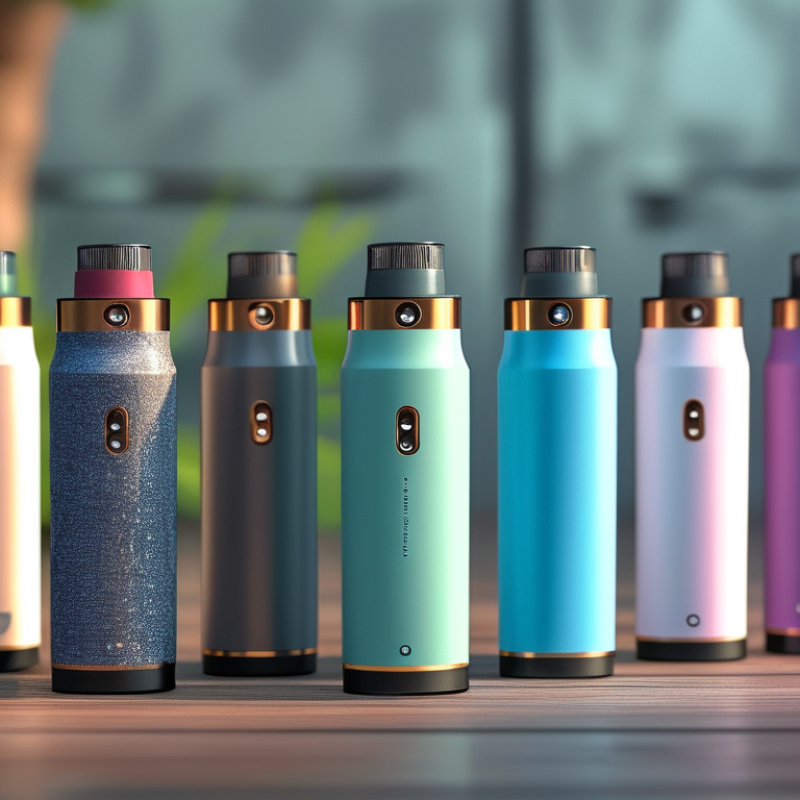
When we look at disposable vapes, several materials come together to form this popular product. The outer casing is often made from plastic. This choice makes it lightweight and easy to handle. However, plastic can pose environmental concerns. Not all users dispose of their vapes properly, leading to waste.
Inside, you will find a battery. Most disposable vapes use lithium-ion batteries. These batteries are compact but have their own risks. Improper disposal can lead to leaks and environmental harm. Even recycling programs for batteries are not always effective.
The heating element is typically made from metal, often a combination of alloys. This metal heats up quickly, producing vapor. It must be durable to withstand the high temperatures. Non-metal components include cotton or other fibers for the wick. These materials affect flavor but can compromise the overall experience. Each component plays a role in the device's performance and longevity, yet their combined environmental impact is a growing concern.
Disposable vapes are often constructed using a variety of materials, with plastic playing a pivotal role. Most disposable vapes feature outer casings made from polyethylene or polypropylene. These plastics are lightweight and relatively durable, which makes them ideal for portable devices. According to industry reports, approximately 70% of vape manufacturers prioritize plastic for both cost-efficiency and ease of production.
However, the environmental impact of plastic use raises serious concerns. Reports indicate that over 1.5 million tons of plastic waste are produced annually from such devices. Many disposable vapes end up in landfills. This introduces issues regarding environmental sustainability and the need for better recycling practices. Innovations in biodegradable plastics are emerging, yet they still haven’t fully replaced conventional materials in this sector.
Additionally, the manufacturing process of plastic components can lead to the release of harmful pollutants. This raises questions about safety and the long-term effects on health and the environment. As the market evolves, stakeholders must address these shortcomings to improve the sustainability of disposable vapes.
| Material | Purpose | Recyclability | Environmental Impact |
|---|---|---|---|
| Polypropylene (PP) | Body and mouthpiece | Recyclable in some facilities | Low impact, but depends on disposal |
| Polyethylene (PE) | Internal components | Widely recyclable | Moderate impact if not recycled |
| Polyvinyl Chloride (PVC) | Seals and coatings | Not recyclable | High impact due to toxic compounds |
| ABS Plastic | Structural components | Recyclable, but challenging | Moderate impact, depends on lifecycle |
| Silicone | Gaskets and seals | Not widely recyclable | Low impact but persistence in environment |
When we talk about disposable vapes, the battery components play a crucial role. These devices typically use lithium-ion batteries, which are efficient and compact. They power the vape and enable consistent performance. The design of these batteries caters to portability, fitting neatly into small vape shells. However, these batteries also pose challenges.
Battery safety is a significant concern. Overheating can occur if the battery is poorly designed. This may lead to leaks or, in extreme cases, explosions. Inadequate ventilation can exacerbate this issue, trapping heat inside the device. Consumers should be aware that not all disposable vapes are created equal. Some may cut corners, compromising battery quality.
Moreover, environmental impacts are crucial to consider. Disposable vapes contribute to electronic waste. Many users do not dispose of these products properly. This raises questions about sustainability and responsible consumption. Awareness of these factors is essential as the popularity of disposable vapes grows. It invites reflections on our choices and their broader effects on the environment.
This chart represents the average composition of materials used in the batteries of disposable vapes based on market research. The data highlights the percentage of different materials that make up the battery components.
E-liquid packaging materials play a critical role in the vaping industry. These materials ensure the safety and preservation of the e-liquid. Commonly used materials include glass, plastic, and aluminum. Each has its strengths and weaknesses, affecting the product’s durability and user experience.
Glass is preferred for its impermeability to air and moisture. It helps maintain the flavor and quality of the e-liquid. However, glass can break easily, raising safety concerns. Plastic is lightweight and shatterproof, but it may not provide the same level of protection against chemical reactions. Users often overlook these essential factors when selecting a vape.
Packaging materials also impact environmental sustainability. Many disposable vapes are criticized for their waste. Biodegradable options are emerging, but they require further development. The industry must reflect on its environmental impact and strive for solutions that balance quality and sustainability.
Disposable vapes are increasingly popular, raising questions about their materials. Most disposable vapes are made from plastic, metal, and electronic components. These materials contribute to their lightweight and portability. However, the environmental impact of these components is significant. Plastic waste from disposable vapes can persist in ecosystems for hundreds of years.
Many vapes use lithium batteries, which require mining and processing. This process can be harmful to the environment. Producing these batteries emits greenhouse gases, contributing to climate change. The combination of plastics and batteries complicates recycling efforts. Few facilities are equipped to handle vape waste properly, leading to higher landfill rates.
As the popularity of disposable vapes continues to grow, their environmental footprint is a concern. Many users may not consider the long-term effects of this waste. The convenience of disposable vapes comes with serious consequences for our planet. We should reflect on more sustainable alternatives and mindful consumption.
: Disposable vapes are usually made of plastic, metal, and cotton or fiber materials.
Plastic is lightweight, cost-efficient, and easy to handle, making it ideal for portable devices.
They contribute to plastic waste, with over 1.5 million tons produced each year, often ending up in landfills.
Lithium-ion batteries can leak if not disposed of properly, posing environmental risks.
E-liquid packaging usually includes glass, plastic, and aluminum, each impacting durability differently.
Glass maintains the flavor and quality of e-liquid well, but it can break easily, causing safety concerns.
Biodegradable options are emerging, but they are not widely implemented in the industry yet.
Packaging can impact the flavor and durability of e-liquids, which users may overlook when choosing products.
The environmental impact is significant, and improving practices can help reduce waste and pollution.
Balancing cost, quality, and environmental sustainability remains a critical issue for manufacturers.
Disposable vapes have gained popularity due to their convenience and ease of use, but understanding what are disposable vapes made of is essential for consumers. These devices are primarily constructed from a variety of materials, including plastic for the outer casing, metal components for the battery, and specific packaging materials for e-liquids. The role of plastic is significant as it provides durability while keeping production costs low. Inside the disposable vape, battery components, typically lithium-ion, power the device, enabling vaporization of the e-liquid.
In addition to the functional aspects, the packaging materials used for e-liquids are also critical in maintaining product quality and safety. However, the environmental impact of the materials used in disposable vapes poses challenges, as many of these components are not biodegradable and contribute to waste. As the market evolves, addressing these environmental concerns alongside material choices will be crucial for sustainable practices in the vaping industry.

Turtle Vape