The rise of disposable vapes has sparked a conversation about their impact on the environment. Many users are unaware of the right ways to dispose of these devices responsibly. Understanding how to dispose of disposable vapes responsibly is crucial for reducing harm to our planet. Vapes contain materials that can pollute if thrown away carelessly.
It's surprising how few people know the effects of improper disposal. These vapes often end up in landfills, releasing toxic substances. Moreover, lithium batteries, commonly found in vapes, pose serious fire risks. We need to rethink our habits and prioritize responsible disposal.
Being informed is our first step towards protection. Local regulations vary, but many areas have specific recycling programs. Joining a community cleanup or supporting education on vape disposal can lead to broader awareness. Reflecting on our practices can help us create a safer environment for everyone.
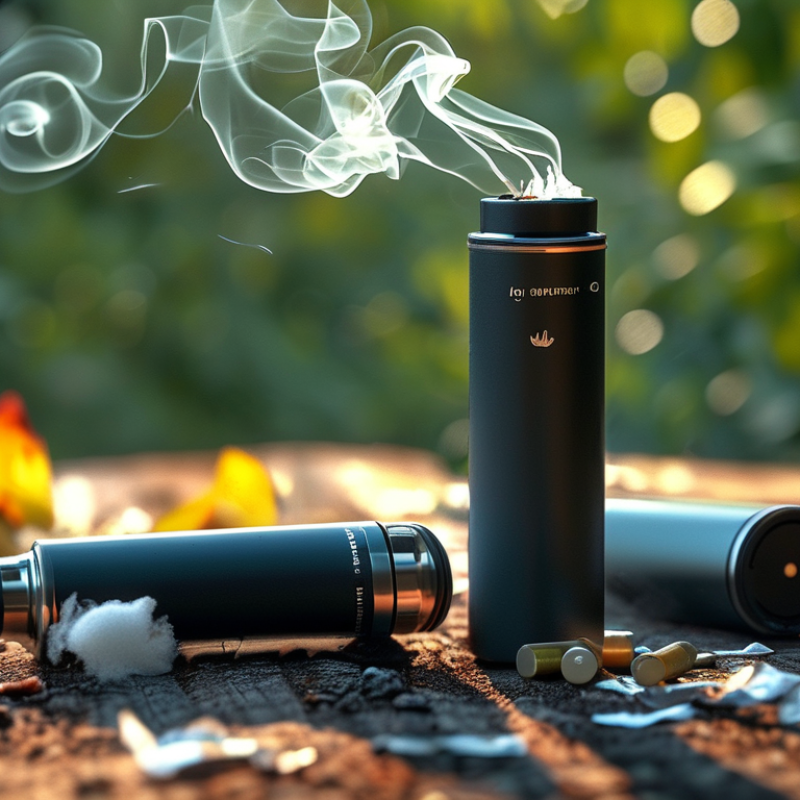
How Disposable Vapes Contribute to Electronic Waste Statistics
Disposable vapes are increasingly prevalent, but they contribute significantly to electronic waste. These devices are often discarded improperly, leading to environmental issues. According to a report from the Environmental Protection Agency (EPA), over 1.5 million tons of e-waste is generated annually in the U.S. alone. A substantial part of this waste comes from disposable vapes, many of which contain lithium-ion batteries that are difficult to recycle.
The issue is magnified by the rapid consumption of these products. In 2022, a study showed that around 2.7 billion disposable vapes were used in the U.S. alone. This staggering number reflects a growing trend, yet only a small fraction is recycled. Most end up in landfills, where toxic chemicals can leach into the soil and waterways. We need to raise awareness about proper disposal methods and the importance of recycling to mitigate this pressing issue.
Moreover, the lack of regulations surrounding vape disposal further compounds the problem. Many users remain unaware of how to dispose of them safely. By sharing informative resources, we can enhance understanding of the environmental impacts. A proactive approach is needed to address the growing e-waste from disposable vapes, ensuring a safer and cleaner future for the planet.
Understanding the Environmental Impact of Improper Vape Disposal
The environmental impact of improper vape disposal is significant and often overlooked. Disposable vapes typically contain plastic, lithium batteries, and other harmful materials. When discarded carelessly, these components can end up in landfills or oceans, contributing to pollution. Plastic takes hundreds of years to decompose. Batteries can leak toxic chemicals into the soil and water. This contamination can harm wildlife and disrupt ecosystems.
Many users are unaware of how to dispose of their vapes responsibly. Information on proper disposal methods can be scarce. Some may simply toss them in the trash, unaware of the consequences. It’s essential to recognize that every small action matters. Communities and local governments are working to create designated disposal programs. However, awareness is key. Are we paying attention to how our habits affect the planet?
Reflecting on our choices is crucial. Quick disposal may seem convenient, but the environmental damage can be severe. When we choose to dispose of vapes responsibly, we contribute to a healthier planet. Recycling programs are emerging, but more education is needed. Each individual can play a part in reducing vape waste and its harmful effects on the environment.
Step-by-Step Guide to Recycling Components of Disposable Vapes
When it comes to disposing of disposable vapes, recycling their components is crucial for environmental health. E-waste, which includes vape parts, can be harmful if not handled properly. Start by removing the battery from the device. Batteries contain toxic materials and should be sent to specialized recycling centers. Clearly labeled bins can often be found at local electronic stores or recycling facilities.
Next, focus on the plastic casing and other components. Many vapes use plastic that can be recycled. Before recycling, rinse out any residual liquid to prevent contamination. Check local recycling guidelines; not all facilities accept the same materials. Sometimes, public spaces may have designated drop-off points for e-waste.
Tips for responsible disposal include checking local laws and regulations. Some municipalities have specific programs for e-waste. Always store vapes in a safe place until you can recycle them. Keep in mind that improper disposal harms the environment. Reflect on your vaping habits and consider alternatives to disposables for a more sustainable choice.
Disposable Vapes Components Recycling Overview
Local Regulations and Guidelines for Vape Disposal
When considering the disposal of disposable vapes, local regulations play a crucial role. Many areas have specific laws regarding e-waste management. According to the Environmental Protection Agency (EPA), roughly 9 million tons of electronic waste were generated in the U.S. in 2020. Vapes can contribute to this category. Their lithium batteries and plastic components can harm the environment.
Local guidelines often recommend recycling as the best disposal method. Many communities provide e-waste drop-off locations. In some states, consumers can even return empty vapes to retailers. Compliance with these regulations can prevent heavy fines and promote responsible behavior. It's essential to research local laws before disposing of vapes.
Improper disposal can lead to serious issues. According to a study by the World Health Organization, improper e-waste management has severe health impacts. Toxic elements from vapes can leach into the soil or water supply. This reality serves as a call to action. Each individual's decision on disposal matters. Making informed choices can significantly reduce the overall environmental footprint.
How to Dispose of Disposable Vapes Responsibly and Safely?
| Region |
Local Regulations |
Disposal Method |
Recycling Options |
Additional Notes |
| California |
Prohibited in regular trash, must go to hazardous waste facility |
Drop-off at designated collection sites |
Some recycling programs accept vape batteries |
Check local HHW event schedules |
| New York |
Must be disposed of through e-waste programs |
Return to retailers offering take-back programs |
Limited recycling options for vapes |
Check with local authorities for updates |
| Texas |
Follow local hazardous waste directives |
Controlled drop-off sites |
Some batteries can be recycled at specific locations |
Visit state website for more information |
| Florida |
Dispose in designated hazardous waste bins |
Municipal recycling or drop-off centers |
Some electric retailers provide take-back programs |
Check local government guidelines |
Sustainable Alternatives to Disposable Vapes for Eco-Conscious Users
As disposable vapes continue to rise in popularity, concerns over their environmental impact have also increased. According to the World Health Organization, the e-waste generated from these devices can be significant. Experts estimate that the global market for disposable vapes generates about 400 million units annually. Many of these devices end up in landfills, contributing to pollution and harm to wildlife.
For eco-conscious users, there are sustainable alternatives to consider. Reusable vape devices are designed for long-term use. They not only reduce waste, but they also lower costs over time. Studies show that switching to a reusable model can decrease waste by approximately 80%. Refilling these devices with e-liquids allows users to enjoy their experience responsibly. Additionally, there are biodegradable vape options now entering the market.
However, it is essential to acknowledge the challenges. Transitioning to sustainable alternatives may not be easy for everyone. Users must adjust to different usage patterns. Plus, the availability of eco-friendly options can be limited in some regions. Reflection on personal habits is necessary. Choosing sustainability might require extra effort, but the benefits to the environment could be significant. Every small step towards eco-friendliness counts.
FAQS
: Improper disposal can lead to pollution. Plastics take centuries to decompose, and batteries can leak toxic chemicals.
Many users lack knowledge about proper disposal methods. Information can be hard to find.
These materials can contaminate soil and water, harming wildlife and disrupting ecosystems.
Reusable vape devices and biodegradable options can significantly reduce waste and environmental impact.
Using reusable devices can decrease waste by approximately 80%, benefiting the environment greatly.
Yes, users may struggle with changing habits and finding eco-friendly products in their area.
Reflecting on choices helps us understand our impact. Even small actions can lead to significant changes.
Communities are developing disposal programs, but awareness and participation are crucial for success.
Individuals can choose responsible disposal and consider sustainable alternatives in their vaping choices.
Conclusion
Disposable vapes have become a popular choice among users, but their impact on electronic waste cannot be overlooked. This article discusses how to dispose of disposable vapes responsibly, highlighting the significant contribution of these devices to electronic waste statistics. Improper disposal can lead to adverse environmental effects, stressing the importance of following guidelines for safe disposal.
To assist users, the article provides a step-by-step guide to recycling the components of disposable vapes, ensuring that harmful materials are managed correctly. It also covers local regulations and guidelines to help users navigate their disposal options. Lastly, the article explores sustainable alternatives to disposable vapes, encouraging eco-conscious users to consider options that minimize environmental harm while still satisfying their needs.

 Turtle Vape