The debate on whether disposable vapes are safer than cigarettes intensifies. According to the World Health Organization, smoking causes over 7 million deaths annually. Recent studies suggest vaping could pose fewer health risks. However, experts remain concerned.
Dr. John Seffrin, a tobacco control specialist, stated, “Are disposable vapes safer than cigarettes? The answer isn't simple.” His insights highlight the complexity of vaping’s impact on health. Research indicates disposable vapes may expose users to fewer harmful chemicals compared to traditional cigarettes. However, potential risks remain under scrutiny, including lung health and addiction.
While some users view disposable vapes as a safe alternative, caution is warranted. The long-term effects of vaping are still being studied. The majority of users may not be aware of the risks involved. As data evolves, a clear picture regarding the safety of disposables compared to cigarettes is slowly emerging. Nonetheless, the question lingers: Are disposable vapes truly safer than cigarettes?
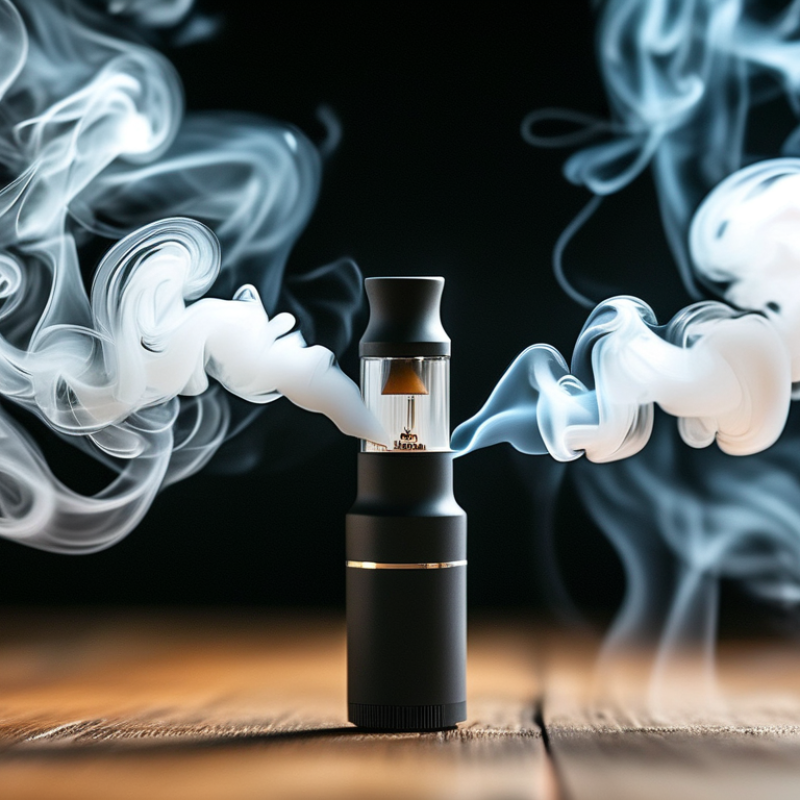
Disposable vapes and traditional cigarettes present distinct health implications. Research indicates that while both contain harmful substances, the levels and types differ significantly. For instance, a report by Public Health England states that e-cigarettes are 95% less harmful than traditional smoking. Yet, disposable vapes often contain nicotine and other chemicals that can still pose risks to the user’s health.
One key difference lies in their composition. Cigarettes combust tobacco, producing tar and thousands of harmful chemicals. In contrast, disposable vapes generate vapor from e-liquids, which usually lack the numerous toxic byproducts of burning tobacco. However, studies highlight that some vape liquids can contain high levels of metals and flavoring agents linked to respiratory issues.
Despite the reduced harm of vapes, emerging data suggests that long-term effects remain unclear. Some users have reported respiratory discomfort and dependence. The rapid growth of disposable vapes raises concerns about youth adoption and potential health risks. As regulations evolve, ongoing research is crucial. Understanding the health impacts of both options will lead to more informed decisions.
| Aspect | Disposable Vapes | Cigarettes |
|---|---|---|
| Nicotine Delivery | Often adjustable levels | Fixed levels |
| Tar Production | Minimal to none | High amounts |
| Chemical Additives | Various flavorings | Multiple harmful substances |
| Respiratory Health Impact | Less harmful for most users | Severe long-term damage |
| Secondhand Effects | Limited exposure | Significant health risks |
| Legal Age Restrictions | Typically 18+ | Typically 18+ |
| Popularity Among Youth | Increasing trend | Declining trend |
Cigarette smoking poses significant health risks, affecting millions worldwide. The World Health Organization (WHO) states that tobacco kills over 8 million people each year. Smoking is linked to numerous diseases, including lung cancer, heart disease, and respiratory disorders. In fact, about 85% of lung cancer cases are attributed to smoking.
Chemicals in cigarettes, such as tar and carbon monoxide, are harmful. Studies have shown that these substances damage lung tissue and promote cancer cell growth. Moreover, secondhand smoke poses risks to non-smokers. It leads to more than 1 million deaths annually, according to the American Lung Association. This underscores the urgent need for smoking cessation programs.
While some view disposable vapes as a safer alternative, the health impacts are still under investigation. Vaping may expose users to fewer toxic substances than traditional cigarettes, but risks remain. Users may inhale harmful chemicals, which could potentially lead to long-term health effects. Understanding the nuances and potential dangers of both smoking and vaping is essential for making informed choices about health.
This chart compares the health risks associated with disposable vapes and traditional cigarette smoking across various factors. The data reflects research findings on health impacts, with both types of smoking assessed on a scale of 1 to 10, where higher numbers indicate greater health risks.
Disposable vapes have surged in popularity, particularly among younger adults. Evidence suggests they may seem less harmful than traditional cigarettes. However, the long-term health impacts remain largely uncharted territory. The British Medical Journal published a study indicating that vape aerosol contains significantly fewer toxic substances than cigarette smoke, yet still poses risks. According to the Centers for Disease Control and Prevention (CDC), users often inhale nicotine and other chemicals. This can lead to potential addiction and lung issues.
A 2022 report from the National Institute on Drug Abuse highlighted that nearly 30% of young adults who vape do not realize the health risks involved. Only 12% know enough about the ingredients used in these products. Many assume disposable vapes are safe due to misleading marketing. This creates a false sense of security. Users must critically evaluate the information available and consider the unknown effects on their health. Although vaping might appear less harmful, it is not without its dangers.
The World Health Organization (WHO) has raised concerns about the rise of e-cigarette use among youth. They stress the need for more research to understand long-term effects fully. Many believe disposable vapes are safer, yet studies indicate potential hazards that require further investigation. Understanding these risks is crucial as we navigate this evolving landscape of smoking alternatives.
Vaping and smoking have distinct effects on respiratory health. Disposable vapes are often perceived as a safer alternative to traditional cigarettes. However, studies show that while vaping may reduce some harmful chemicals, it is not without risks. The long-term effects of inhaling vapor are still largely unknown.
Tobacco smoke contains thousands of harmful substances, including tar and carcinogens. In contrast, vape products typically contain fewer toxic particles. Yet, vaping is not completely risk-free. Research indicates that certain chemicals in e-liquids can lead to airway inflammation. This means that even occasional vaping could have negative impacts on lung function.
When considering the switch to vaping, here are a few tips. Choose e-liquids with fewer additives. Look for options that prioritize purity and safer ingredients. Additionally, limit usage frequency to minimize potential harm. Staying informed about ongoing research will also help you make educated choices regarding your respiratory health. It's important to reflect on how both methods can affect your well-being.
The debate around disposable vapes and their safety compared to traditional cigarettes continues to evolve. Many people perceive vapes as a safer option. However, the reality is more nuanced. Vaping products often contain fewer harmful chemicals than cigarettes, but they still pose health risks. The long-term effects of inhaling vaporized substances are still not fully understood.
Public perception is heavily influenced by marketing strategies. Many believe vaping is a healthier alternative, often without understanding its potential risks. Researchers highlight that while vapes can reduce exposure to some toxins, they may still contribute to respiratory and cardiovascular issues. Regulations on vaping vary widely, impacting consumer education and safety. Some countries have stringent laws, while others have minimal oversight.
Tips: Stay informed by consulting reputable health sources. Regularly check updates from health organizations about vaping trends. If considering switching, weigh the pros and cons carefully. Remember, just because something is marketed as safer does not mean it is risk-free. Engage in discussions with healthcare professionals who understand your personal health needs.
re disposable vapes safer than traditional cigarettes?
Users may face addiction risks and lung issues from inhaling nicotine and other chemicals in vape aerosol.
Nearly 30% of young adults who vape do not recognize the health risks involved, indicating a knowledge gap.
Misleading marketing creates a false sense of security, leading many to assume they are free from risks.
Consult reputable health sources and stay updated on recommendations from health organizations regarding vaping.
Weigh the pros and cons carefully. Just because it's marketed as safer doesn't mean it is risk-free.
Some countries enforce strict vaping laws while others have minimal oversight, affecting consumer safety.
Only 12% of users know enough about vape ingredients, highlighting the need for more public education.
Yes, even with fewer harmful chemicals, vaping may still contribute to respiratory and cardiovascular problems.
Public perception is heavily influenced by marketing, leading people to overlook potential health risks associated with vaping.
The article titled "Are Disposable Vapes Safer Than Cigarettes for Your Health?" examines the key differences between disposable vapes and traditional cigarettes while highlighting the health risks associated with cigarette smoking. It provides a comprehensive review of the detrimental effects of smoking on health, including respiratory diseases and other serious conditions.
In exploring the health impacts of disposable vapes, the article presents existing evidence and research that suggest they may pose different risks compared to conventional smoking. The comparative analysis focuses on respiratory health, indicating varying degrees of harm. Furthermore, it addresses public perception and the regulatory landscape surrounding both products. Ultimately, the article seeks to answer the critical question: are disposable vapes safer than cigarettes, shedding light on a topic of significant concern for public health.

Turtle Vape