Can Disposable Vapes Leak What Global Buyers Should Know?

Time:2026-09-21 Author:Amelia
0%

Can disposable vapes leak? Yes, although leakage is not inevitable. A disposable vape may release e-liquid through its mouthpiece, airflow opening, or sealed base. Small droplets can appear inside the package. Sticky residue may collect around the device. Sometimes, the leak remains hidden until the user opens it.

This guide examines why leaks happen and what global buyers should inspect before purchasing. Possible causes include damaged seals, excessive heat, rough transport, poor storage, or inconsistent manufacturing. A device left in a hot delivery truck may behave differently from one stored in a cool warehouse. Packaging also matters. A crushed box can indicate pressure or impact damage.

Dr. Colin Mendelsohn has stated, “Vaping is not harmless, but it is much less harmful than smoking.” His comment reinforces an important point: reduced risk does not mean zero risk. Buyers still need careful quality checks. A leaking product can create mess, unpleasant handling, and uncertainty about its condition. It should not be used automatically.

Look for intact seals, clear labeling, secure caps, and clean packaging. Avoid products with wet cartons, strong unexplained odors, or visible liquid around the mouthpiece. These details seem minor. They are not.

The discussion also needs honesty. Not every leak proves defective manufacturing. Temperature changes and storage mistakes can contribute. However, repeated leakage across a batch deserves investigation. Reliable suppliers should document testing, packaging controls, and complaint handling. Global purchasing decisions require more than a low price. They require traceable quality, realistic safety claims, and a willingness to question incomplete information.
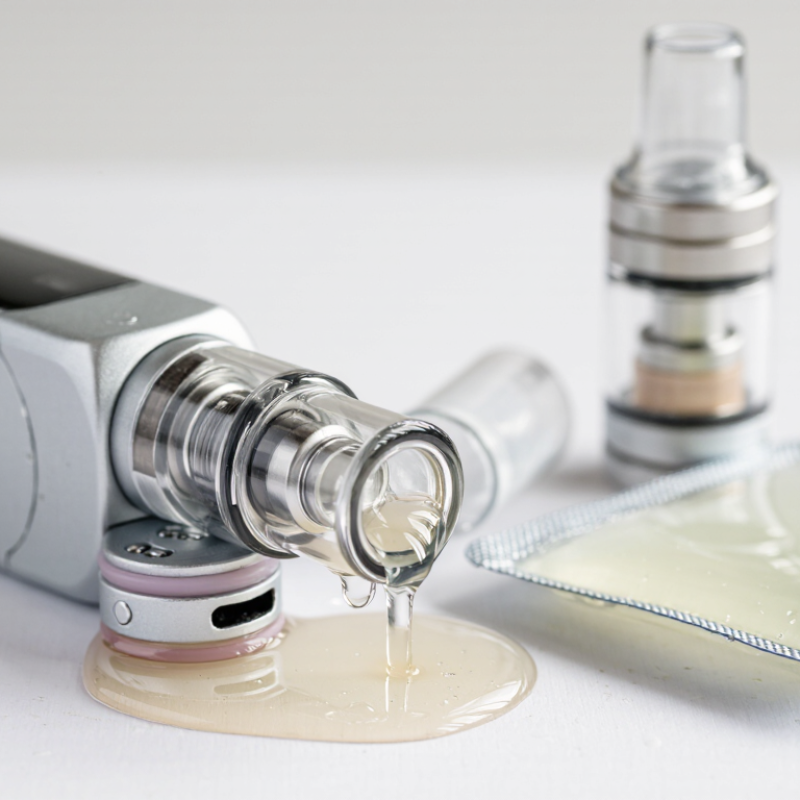
Can Disposable Vapes Leak What Global Buyers Should Know?

What Causes Disposable Vapes to Leak?

Disposable vapes can leak when e-liquid escapes from the internal reservoir or airflow path. The most common cause is a damaged seal around the tank, mouthpiece, or coil area. Small manufacturing inconsistencies can matter. A loose seal may allow liquid to collect near the mouthpiece or battery compartment.

Heat is another major factor. A vape left in a hot car may develop higher internal pressure, forcing liquid through tiny gaps. Cold storage can also affect viscosity and airflow. During air travel, pressure changes may worsen an existing weakness. Storing the device upright helps, although it does not repair poor sealing. Rough handling, drops, and prolonged squeezing can create hidden cracks.

Not every wet mouthpiece means a serious leak. Condensation from normal use can look similar, especially after repeated short puffs. The liquid may feel oily, smell noticeable, or continue appearing after wiping. That distinction is easy to miss. If liquid reaches the skin, wash the area with soap and water. Stop using any device with persistent leakage, visible damage, unusual heat, or liquid near the charging or battery area. Do not open or repair a sealed disposable device. Keep it away from children, pets, fabric, and direct sunlight, then follow local waste-handling guidance.

Where Leaks Start and How They Spread

Disposable vape leaks usually begin at a small failure point, not across the entire device. The mouthpiece seal may loosen during assembly or repeated temperature changes. The tank joint can also weaken when pressure shifts inside the cartridge. Some liquid escapes slowly. Others spread through the airflow channel.

Heat makes the path wider. A delivery van can become very hot, while aircraft cargo areas may experience colder conditions. Rapid temperature changes can expand trapped air and push liquid toward the mouthpiece or charging area. Vibration adds another problem. It can loosen seals, especially when packaging leaves devices moving inside a carton. The 2023 US Fire Administration report recorded 195 electronic-cigarette fire and explosion incidents from 2009 to 2016, including 133 injuries. That report concerns battery events, not leakage rates, but it shows why damaged devices need controlled handling.

Look for oily marks, sweet odor, wet mouthpieces, or softened packaging. Small signs matter. Inspect cartons before opening them. Separate damp units from dry stock, and photograph the carton, batch code, and inner packaging. Do not assume every stain comes from the device; damaged shipping materials can mislead inspection. My practical view is less certain when suppliers provide no transport-test records. ASTM D4169 and ISTA distribution protocols can help evaluate vibration, impact, and temperature exposure, but passing a package test does not guarantee every unit remains leak-free. Reliable buyers should request seal checks, storage limits, and documented quality records.

How to Recognize a Leaking Disposable Vape

A leaking disposable vape often shows small, practical warning signs. Look for wetness around the mouthpiece, charging area, or bottom seal. The liquid may feel oily and leave a sweet or chemical smell on your fingers. A sticky mouthpiece is another clue. Do not taste the residue. FDA safety guidance recommends stopping use when a device is damaged, leaking, or unusually hot. Heat matters, even when no visible liquid appears. Place the device on a non-flammable surface, away from children, fabrics, and direct sunlight. Avoid squeezing, puncturing, opening, or carrying it loose in a pocket.

Packaging damage deserves attention too. A 2023 Material Focus report estimated that about five million single-use vapes were discarded weekly in the UK. That figure highlights the scale of handling and disposal problems, not just consumer waste. During receiving inspections, staff should check crushed corners, loose seals, and liquid marks inside cartons. A simple white tissue can reveal a faint leak. Small details help. Still, this check is not perfect. Clear liquid can be difficult to see, and condensation may look similar. If the device becomes hot, swells, hisses, or produces liquid in the mouth, isolate it and follow local battery-waste procedures. Do not place it in ordinary household waste or attempt repairs. Even a device that works normally may have hidden internal damage.

How to Recognize a Leaking Disposable Vape

Check for these observable warning signs before using a disposable vape. A value of 1 means the sign is present; a value of 0 means it is not observed. These are recognition indicators, not prevalence statistics.

Health, Safety, and Product Risks of Leaks

A disposable vape can leak, even when its outer shell looks undamaged. The liquid may collect around the mouthpiece, airflow opening, or protective wrapper. Small leaks still create health, safety, and product concerns.

Leaked liquid can irritate the lips, skin, eyes, and throat. Accidental contact should be avoided, especially by children and pets. Do not taste, inhale, or continue using a device with visible leakage. Wash exposed skin with soap and water. Seek medical advice if irritation, dizziness, nausea, or breathing discomfort appears.

Leakage can also affect the battery and internal electrical parts. A wet or swollen device may become unusually warm, produce a smell, or activate without warning. Keep it away from fabric, heat, and metal objects. Do not squeeze, puncture, open, or attempt to repair it. Place it somewhere isolated and follow local disposal guidance for electronic products.

Product quality is another concern. A leak may indicate damaged seals, poor storage, rough shipping, or a manufacturing fault. Temperature changes can make the problem worse. Inspect the packaging before opening. Wetness, sticky residue, damaged wrapping, or unusual discoloration deserve attention.

No visual check is perfect. That is an uncomfortable limitation. If the source of the leak is unclear, replacing the product is safer than guessing. Keep purchase details and photographs when reporting a suspected defect. Clear evidence helps suppliers investigate recurring safety problems.

Can Disposable Vapes Leak? What Global Buyers Should Know — Health, Safety, and Product Risks of Leaks

Risk or Data Dimension Evidence-Based Finding Potential Impact Buyer or User Action Evidence Level
Common leak pathways Leaks can result from damaged seals, loose internal connections, cracked reservoirs, overfilling during manufacture, or physical damage during transport. E-liquid may reach the mouthpiece, packaging, skin, clothing, or electronic components. Inspect the mouthpiece, seams, base, and packaging before use. Do not use a device with visible liquid outside the reservoir. Established product-risk mechanism
Condensation versus a true leak Small amounts of moisture around the mouthpiece can be condensation, while sticky, oily, colored, or strongly flavored liquid is more consistent with e-liquid. Misidentification can lead to continued use of a damaged or leaking device. Wipe the exterior with a disposable tissue, wash hands, and discontinue use if liquid returns or the device is damaged. Practical inspection guidance
Nicotine skin exposure Nicotine-containing e-liquid can be absorbed through the skin. Exposure may cause irritation, nausea, dizziness, headache, sweating, or changes in heart rate. Risk is higher for children, pets, and people exposed to larger quantities or concentrated liquid. Remove contaminated clothing, rinse skin with plenty of water, and contact local poison-control or emergency services if symptoms occur. Health hazard recognized by toxicology authorities
Eye exposure E-liquid can irritate the eyes and may cause pain, redness, watering, or blurred vision. Continued contact can worsen irritation and requires prompt decontamination. Rinse the eye with clean, lukewarm water for at least 15 minutes and seek medical advice if pain or visual symptoms persist. First-aid guidance supported by health agencies
Accidental ingestion Liquid nicotine can be poisonous when swallowed, particularly by young children and pets. Possible effects include nausea, vomiting, tremors, abnormal heart rate, seizures, or breathing problems in severe cases. Keep devices locked and out of sight. Do not induce vomiting; contact local poison-control or emergency services immediately after ingestion. Serious poisoning risk
Battery and electrical risk A leak reaching the battery or circuit may contribute to malfunction, overheating, short-circuiting, or fire. Heat, crushing, puncture, and water exposure increase lithium-battery risk. Burns, smoke, fire, or property damage may occur, although such events are not the same as ordinary liquid leakage. Do not charge, puncture, open, freeze, or place a leaking device in luggage. Move it away from flammable materials only if safe and follow local battery-waste guidance. Battery-safety risk
Heat and transport conditions High temperatures and pressure changes can increase liquid movement and may worsen seal or battery problems. Greater probability of seepage, reduced product performance, or overheating. Avoid direct sunlight, hot vehicles, and temperatures above the product’s stated storage range. Check devices after international shipping. Known storage and transport concern
Product quality indicators Missing safety information, unclear nicotine concentration, damaged packaging, inconsistent labeling, or no traceable importer details make quality verification more difficult. Higher uncertainty about ingredients, manufacturing controls, authenticity, and applicable legal requirements. Prefer products with legible labeling, batch or lot identification, warnings, ingredient information, and local compliance information. Supply-chain due-diligence indicator
European Union reference limits Under the EU Tobacco Products Directive framework, nicotine-containing e-liquids are subject to a maximum nicotine concentration of 20 mg/mL; refill containers are limited to 10 mL and cartridges or tanks to 2 mL. A product outside these limits may not meet EU market requirements, although national implementation and enforcement can vary. Verify the destination market’s rules rather than assuming that a product legal in one country is legal elsewhere. Regulatory reference
Air-travel handling International aviation safety guidance generally requires electronic smoking devices to be carried in carry-on baggage or on the person, not in checked baggage. Airline and national rules may be stricter. A leaking or damaged lithium-battery device in checked baggage can create an avoidable fire-response risk. Check the airline and destination-country rules before travel. Never fly with a visibly damaged or leaking device. International aviation safety guidance
End-of-life and environmental handling Disposable vapes combine lithium batteries, electronic components, plastics, and residual nicotine-containing liquid; they should not be placed in ordinary household recycling unless local systems specifically accept them. Incorrect disposal can create fire, chemical-exposure, and waste-management risks. Keep the device intact, avoid crushing it, and use an approved battery, electronic-waste, or hazardous-waste collection route where available. Waste-management safety principle
Buyer takeaway: A leaking disposable vape should be treated as both a chemical-exposure concern and a possible battery-safety concern. Stop using it, avoid skin and eye contact, keep it away from children and pets, and follow local poison-control, fire-safety, transport, and e-waste instructions.
Reference framework: Public safety information from the World Health Organization, national poison-control guidance, the European Union Tobacco Products Directive, and international aviation dangerous-goods guidance. Local laws and disposal procedures may differ by country.

How Global Buyers Can Prevent and Manage Leakage

Can Disposable Vapes Leak? What Global Buyers Should Know

Leakage usually begins with pressure, heat, or weak sealing. A device may arrive with a sticky mouthpiece, loose cap, or liquid around the airflow holes. During warehouse checks, I have seen small temperature changes expose poor seals. The problem is not always manufacturing. Rough handling, long storage, and air transport can also matter. UNCTAD’s Review of Maritime Transport 2024 states that about 80% of global merchandise trade by volume moves by sea. That journey can mean vibration, humidity, and repeated temperature shifts.

Reliable global statistics on disposable-vape leakage remain limited. Buyers should not trust impressive but unsupported failure-rate claims. The WHO’s 2024 tobacco trends report estimated 1.25 billion adult tobacco users worldwide in 2022, showing the scale of distribution challenges. Larger volumes require better inspection, not weaker controls. Ask suppliers for batch records, seal-testing methods, storage limits, and complaint data. A simple leak test can reveal problems before shipment, although it cannot reproduce every real-world condition.

Tips: Store cartons upright in a cool, dry area. Avoid direct sunlight and freezing conditions. Inspect ten units from each batch, including inner packaging. Photograph wet cartons immediately. Separate affected units from saleable stock. Follow local rules for transport, batteries, and disposal. IATA’s current Dangerous Goods Regulations require careful handling of lithium-battery devices during air travel. Requirements can change, so buyers should verify the latest edition. No checklist catches every failure. That is the uncomfortable part.

FAQS

What usually causes a disposable vape to leak?

A damaged or loose seal may let liquid escape. Small manufacturing flaws can matter. The leak may appear near the mouthpiece or airflow opening.

Can heat make a disposable vape leak?

Yes. A hot car can increase internal pressure. Liquid may pass through tiny gaps. Direct sunlight makes the risk worse.

Can cold temperatures also cause problems?

Cold conditions can change liquid thickness and airflow. The device may behave differently after warming. Temperature changes are easy to underestimate.

Does a wet mouthpiece always mean a leak?

No. Condensation can form after repeated short puffs. Leaked liquid may feel oily or smell noticeable. I may mistake condensation for leakage.

What signs suggest a serious leak?

Persistent wetness, sticky residue, or visible liquid are warning signs. Unusual heat, swelling, smell, or self-activation also matter. Do not keep using it.

What should I do if liquid touches my skin?

Wash the area with soap and water. Avoid touching your eyes or mouth. Seek medical advice for continuing irritation, dizziness, nausea, or breathing discomfort.

Is it safe to open or repair a leaking disposable vape?

No. Do not squeeze, puncture, open, or repair the sealed device. Liquid near electrical parts creates additional concern. Keep it isolated.

How should I store a disposable vape before disposal?

Keep it upright, dry, and away from heat. Separate it from children, pets, fabric, and metal objects. Follow local electronic-waste guidance.

Conclusion

Can disposable vapes leak? Yes, leakage can occur when seals loosen, tanks are overfilled, temperature changes affect the e-liquid, or internal components are damaged during handling and transportation. Leaks may begin around the mouthpiece, airflow openings, seams, or charging area, then spread into packaging and surrounding products. Global buyers can often recognize a leaking device through visible liquid, sticky surfaces, unusual gurgling, reduced vapor, poor airflow, or changes in taste and performance.

Leakage creates product-quality, hygiene, and safety concerns, especially if liquid contacts skin, eyes, electronics, or children and pets. Buyers should reduce these risks by selecting reliable suppliers, requesting secure packaging, checking devices before shipment, and storing products upright in a cool, dry environment. Any damaged or leaking unit should be isolated, handled carefully, and kept away from heat and unauthorized users. Clear inspection procedures, transport controls, and responsive supplier communication can help prevent recurring leakage and protect both inventory and end users.

Amelia

Amelia

Amelia is a seasoned marketing professional with a wealth of expertise in our company’s core offerings. With an unwavering passion for driving growth and innovation, she plays a pivotal role in shaping our marketing strategies and enhancing brand visibility. A key aspect of her responsibilities......