How to Choose Disposable or Reusable Vapes in 2026?

Time:2026-10-16 Author:Amelia
0%

Choosing between disposable and reusable vapes in 2026 requires more than comparing prices. Device design, battery safety, waste, maintenance, and local regulations all matter. Adult consumers should check current age requirements and product standards before making a purchase. Rules can change quickly.

Many readers ask, “what is the difference between disposable and reusable vapes?” A disposable vape usually arrives prefilled and ready to use, then it is discarded when the liquid or battery runs out. A reusable vape normally uses a rechargeable battery and replaceable or refillable components. This difference affects convenience, long-term cost, cleaning, and environmental impact. A disposable device may feel like a sealed, pocket-sized product. A reusable model may require a charger, compatible parts, and a few minutes of care.

Neither choice is perfect. That matters. Disposables can reduce setup, but repeated disposal creates more material waste. Reusable devices may produce less waste over time, yet poor maintenance can cause leaks, weak performance, or battery problems. Look for clear labeling, sealed packaging, manufacturer details, and reliable safety instructions. Avoid damaged devices, unofficial liquids, and chargers that do not match the product guidance. If nicotine is involved, dependence is a serious consideration, not a minor detail. Non-users should not start, and people trying to stop should consider evidence-based support from qualified health professionals. This guide compares practical trade-offs carefully, while recognizing that convenience is not the same as safety.
How to Choose Disposable or Reusable Vapes in 2026?

Define Disposable and Reusable Vapes: Devices, E-Liquid, and Lifecycles

Choosing between disposable and reusable vapes starts with their physical design, not their appearance.

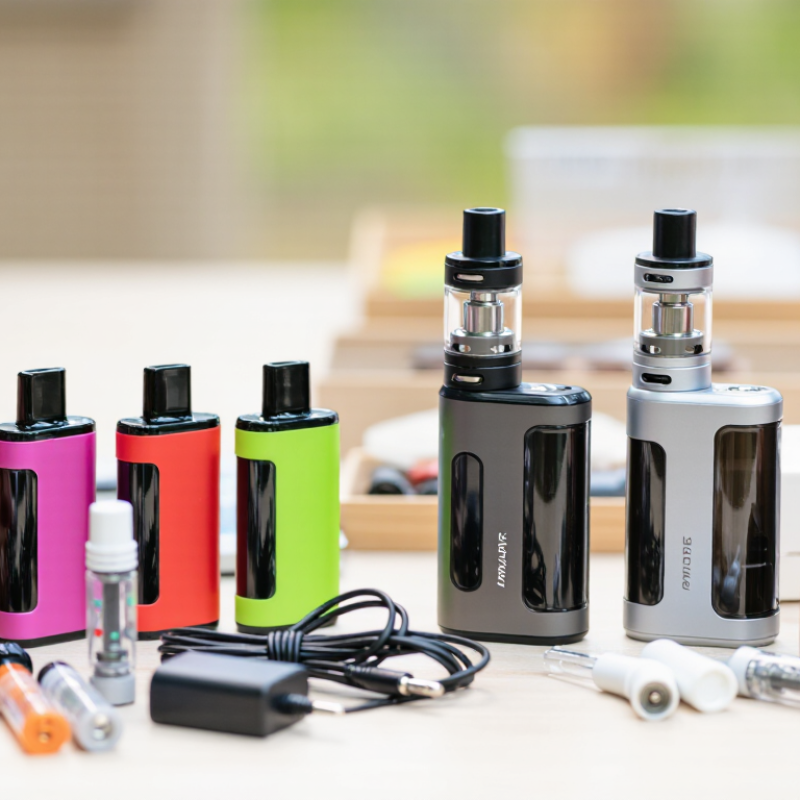
A disposable vape arrives filled, sealed, and ready to use. Its battery, coil, mouthpiece, and e-liquid container usually leave together after the liquid or battery is exhausted.

A reusable vape separates the device from the e-liquid. You recharge the battery, replace or refill the pod, and periodically change the coil. That creates more control, but also more maintenance.

The lifecycle difference is substantial.

Material Focus reported that about five million disposable vapes were discarded weekly in the UK during 2023. That means a small, pocket-sized product can create a large waste stream.

Reusable devices may reduce frequent disposal, yet their lithium batteries and plastic pods still require responsible collection. They are not automatically sustainable. Nothing is that simple.

E-liquid also changes the decision. Check nicotine concentration, ingredient labeling, child-resistant packaging, and the liquid capacity allowed in your market.

The 2023 U.S. National Youth Tobacco Survey recorded approximately 2.13 million middle and high school students using e-cigarettes. This highlights why secure storage matters, especially in homes with children.

In practice, disposables suit users wanting minimal setup, while reusables suit people comfortable cleaning contacts and monitoring battery condition.

I would not treat either choice as risk-free.

A reusable device can leak in a bag, and a disposable can fail before its advertised lifespan. Read the instructions, inspect the battery, and avoid damaged hardware.

Compare FDA-CDC 2024 Data: 1.63 Million U.S. Youth E-Cigarette Users

How to Choose Disposable or Reusable Vapes in 2026?

For adults who already use nicotine, format choice should begin with evidence, not convenience. The FDA-CDC 2024 National Youth Tobacco Survey recorded 1.63 million U.S. middle and high school e-cigarette users. About 87.6% used flavored products, while 26.3% reported daily use. Frequent use reached 38.9%. Disposable devices were the most common format, accounting for 55.6% of current youth use. These figures show how quickly convenience and flavor can reinforce repeated use.

Disposable devices usually require less setup. They can suit adults who value portability and do not want charging or refilling routines. However, they create more discarded batteries and plastic after short use. That environmental cost is easy to overlook.

Reusable devices may reduce repeated waste, but they require careful charging, cleaning, storage, and component replacement. Poor maintenance can produce leaks, overheating, or inconsistent performance.

The CDC and FDA data describe use patterns, not a safety guarantee. Neither option is risk-free, and non-users should not start. Adults comparing products should verify legal sales status, nicotine labeling, age requirements, and battery instructions. Independent testing matters, but it is not always transparent. I would also question claims that “reusable” automatically means better. Its real impact depends on how long the device lasts and how responsibly it is maintained.

Calculate Total Cost Using Device Prices, Pods, E-Liquid, and Usage

Choosing disposable or reusable vapes in 2026 should begin with arithmetic, not shelf price. A simple monthly formula is: device cost plus pods or coils, e-liquid, charging accessories, and usage frequency. For example, a reusable device priced at £25, with £18 of monthly pods and £5 of e-liquid, costs about £48 in the first month. A disposable costing £8 and lasting three days costs roughly £80 monthly. That estimate changes quickly.

Usage data matters. The 2024 National Youth Tobacco Survey reported that disposable products were the most commonly used device type among U.S. youth who vaped, although those figures do not represent legal-age adults. The CDC also reports that e-cigarette use differs significantly by age and region. Therefore, retail comparisons should use local adult-market prices, not online averages. Prices also exclude travel, replacement charging cables, and unused liquid. Small costs accumulate.

Track four weeks of actual consumption. Count every pod, refill bottle, and discarded device. Record the date and purchase price. Reusable systems usually become cheaper after several months, but only when pods remain available and the device lasts. Battery failure can erase the expected saving. My own calculation would include a 15% maintenance buffer, though that is imperfect. Regulations and taxes may change during 2026. Check official local guidance before buying, and compare lawful products designed for adults.

How to Choose Disposable or Reusable Vapes in 2026? — Calculate Total Cost Using Device Prices, Pods, E-Liquid, and Usage

Vape Option Typical Product Format Planning Assumptions Estimated Cost
Initial Device Price Pod or Disposable Price E-Liquid Price Estimated Daily Use First 30 Days First 90 Days First Year
Disposable Vape Pre-filled, non-rechargeable device $0 $12 per device
approximately 600 puffs
Included 1 device per day
approximately 600 puffs
$360.00 $1,080.00 $4,380.00
Reusable Closed-Pod Device Rechargeable battery with pre-filled replacement pods $25 one-time $8 per pod
approximately 600 puffs
Included 1 pod every 10 days
approximately 600 puffs
$49.00 $97.00 $317.00
Reusable Refillable Pod Device Rechargeable battery with refillable pod $25 one-time $8 per replacement pod
pod replaced every 14 days
$6 per 10 ml bottle 2 ml of e-liquid per day $69.00 $154.00 $567.00
Reusable Pod Device with Higher Consumption Rechargeable device for users consuming more e-liquid $35 one-time $10 per replacement pod
pod replaced every 10 days
$6 per 10 ml bottle 4 ml of e-liquid per day $119.00 $287.00 $1,009.00
Calculation assumptions: Prices are representative, brand-neutral US-dollar planning figures for 2026 and exclude sales tax, shipping, accessories, and regulatory fees. The 30-day and 90-day totals include the initial device purchase where applicable. Annual calculations use 365 days.
Formula examples: Disposable annual cost = 365 days × $12 per device. Refillable annual cost = device price + replacement pod cost + e-liquid cost. Actual costs vary with puff count, vaping frequency, local taxes, pod lifespan, and e-liquid consumption.

Evaluate Waste and Battery Impacts with EPA and Recycling Data

How to Choose Disposable or Reusable Vapes in 2026?

Waste data makes the choice less abstract. Material Focus reported in 2024 that about five million disposable vapes were discarded weekly in the United Kingdom. That equals roughly one device every six seconds. Each device may contain a lithium battery, electronics, plastic, and residual liquid. Many end up in general waste or recycling bins. They should not.

The United States Environmental Protection Agency warns that lithium-ion batteries can cause fires when damaged, crushed, or handled incorrectly. EPA guidance recommends taking battery-containing devices to approved household hazardous-waste or electronics collection points. Curbside recycling is usually unsuitable. A reusable device can reduce repeated casings and circuit boards, but only if the battery lasts through many refill cycles. That condition is often ignored.

A simple comparison helps. Count how many disposable devices you would use in one month. Then compare that number with one reusable device and its replacement parts. The reusable option still creates waste when its battery weakens. Recycling access also varies by location, and actual recovery rates are not always published. That is the uncomfortable gap in current reporting.

Choose collection guidance before convenience. Keep damaged batteries away from heat, metal objects, and household bins. Check the EPA’s battery guidance and local recycling directory before disposal. EPA data is authoritative, but local systems remain uneven.

Check FDA’s 34 Authorized Products Before Making a 2026 Choice

How to Choose Disposable or Reusable Vapes in 2026?

Before choosing a disposable or reusable vape, check the FDA’s current list of 34 authorized products. The list can change, so verify it directly on the FDA website. Marketing authorization does not mean a product is safe or risk-free. It means the FDA has reviewed its marketing application under U.S. tobacco rules. Avoid products with unclear ingredients, missing warnings, or exaggerated health claims.

Disposable devices are simple. Open the package, use the device, and discard it according to local waste rules. Reusable devices create less frequent hardware waste, but they require charging, cleaning, and compatible replacement parts. A practical check is the battery label. A damaged, swollen, or unusually hot device should not be used. The FDA also warns against modifying devices or using unverified liquids.

Independent data deserves attention. The CDC’s 2024 National Youth Tobacco Survey estimated that 1.63 million U.S. middle and high school students used e-cigarettes. Among current users, 38.3% reported frequent use, and 26.3% reported daily use. These figures reinforce a basic boundary: vaping products are for adults who already use nicotine, not for non-users or young people. I would not treat “reusable” as automatically better, either. Its environmental advantage depends on long-term use, proper charging, and responsible disposal.

How to Choose Disposable or Reusable Vapes in 2026?

Check FDA’s 34 Authorized Products Before Making a 2026 Choice

The chart shows the FDA-reported total of 34 authorized electronic nicotine delivery system products. Authorization is a regulatory status, not a guarantee of suitability, safety, or product quality. Before choosing a disposable or reusable format, verify the current FDA authorization status and consider battery use, refill requirements, waste, nicotine strength, and ongoing availability.

FAQS

What is the main difference between disposable and reusable devices?

A disposable device arrives filled, sealed, and ready to use. Its battery, coil, and liquid container leave together. A reusable device needs charging, refilling, pod replacement, and occasional coil changes. More control means more maintenance.

Which option creates more waste?

Disposable devices create frequent waste after the liquid or battery is exhausted. Reusable devices can reduce disposal over time. However, batteries, pods, and plastic parts still need responsible collection. Reusable does not mean automatically sustainable.

How should I compare the monthly cost?

Add the device price, pods, coils, liquid, charging items, and usage frequency. A £25 device, £18 of pods, and £5 of liquid costs about £48 initially. An £8 device lasting three days may cost roughly £80 monthly. Track actual spending for four weeks.

Can a reusable device always save money?

Not always. Savings depend on pod availability, device lifespan, and battery condition. A failed battery can erase expected savings. Include a maintenance buffer, perhaps 15%. That estimate remains imperfect.

What should I check before buying a product?

Check local authorization, ingredient information, nicotine concentration, warnings, and child-resistant packaging. Confirm the liquid capacity allowed in your market. Avoid unclear labels and exaggerated health claims. Regulations can change.

Is either type risk-free?

No. A reusable device may leak inside a bag. A disposable device may stop working early. Damaged hardware can become unusually hot. Inspect the device and follow its instructions.

How should I store liquids and devices?

Keep liquids and devices away from children and pets. Use secure storage with the cap closed. Do not leave a device loose beside keys or coins. Secure storage matters.

What should I do with damaged or exhausted devices?

Do not use swollen, cracked, leaking, or unusually hot hardware. Do not modify devices or use unverified liquids. Follow local waste and battery collection rules. My earlier assumption may fail if local facilities differ.

Conclusion

Choosing between disposable and reusable vapes in 2026 requires more than comparing convenience. The key question is “what is the difference between disposable and reusable vapes”? Disposable devices arrive prefilled and are discarded when the liquid or battery runs out, while reusable systems are designed for repeated use with replaceable pods or refillable e-liquid. Buyers should compare device prices, pod or e-liquid costs, expected usage, battery life, and maintenance to estimate the true long-term expense rather than relying on the initial purchase price.

Environmental and public-health factors also matter. Disposable products can create more battery and material waste, while reusable devices may reduce waste but still require responsible handling, recycling, and eventual replacement. EPA guidance and available recycling data can help users understand disposal impacts. Consumers should also review current FDA information, including the 34 authorized products, and consider CDC and FDA 2024 data reporting approximately 1.63 million U.S. youth e-cigarette users. Any decision should prioritize legal compliance, product authorization, responsible use, and avoidance by non-users and young people.

Amelia

Amelia

Amelia is a seasoned marketing professional with a wealth of expertise in our company’s core offerings. With an unwavering passion for driving growth and innovation, she plays a pivotal role in shaping our marketing strategies and enhancing brand visibility. A key aspect of her responsibilities......