Choosing a nicotine strength can feel confusing, especially when comparing China-made vaping products with different labels, formulas, and device designs. The right option depends on your current nicotine use, vaping experience, device type, and personal response. There is no universal “best” strength for every adult user.
This guide asks, “what nicotine strength should i choose for vaping” without relying on guesswork or exaggerated product claims. A person who rarely uses nicotine may experience dizziness, nausea, or headaches with a strong formulation. Someone switching from regular cigarette use may find a very low strength unsatisfying. Device power also matters. A compact pod usually delivers nicotine differently from a high-output device, even when both labels show the same number.
Read the packaging carefully.
Check whether the label uses milligrams per millilitre or a percentage. These measurements are not interchangeable without conversion. Nicotine salts may feel smoother than traditional freebase nicotine, but smoother does not mean weaker. Personal tolerance can also change over time, which makes regular self-assessment important.
Reliable guidance should come from clear labels, responsible manufacturers, and qualified health professionals. Product quality can vary, so look for batch information, ingredient details, safety instructions, and transparent customer support. Avoid unverified liquids or products with unclear nicotine claims. Regulations differ across China and other countries, and some vaping products may be restricted or unavailable. Adults who do not use nicotine should not start. People who are pregnant, have heart conditions, or take relevant medication should seek medical advice before using nicotine.
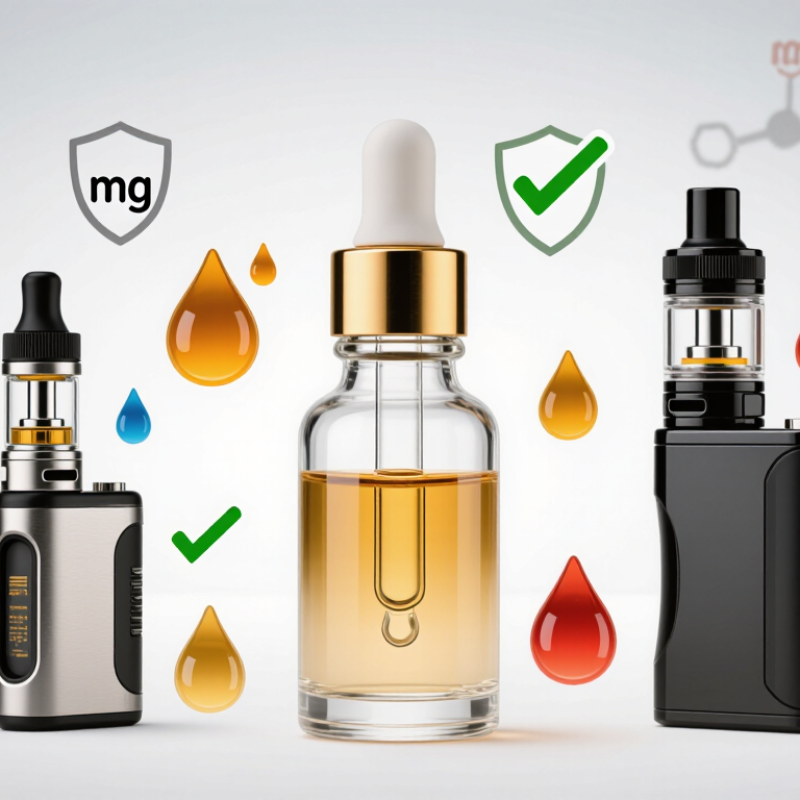
China Best Nicotine Strength Guide: What Should I Choose?
Understanding nicotine strengths in China starts with reading the label carefully. Products may show strength in milligrams per milliliter or as a percentage. For example, 1% commonly equals 10 mg/mL, but labeling practices can differ. Check the package details instead of guessing. A higher number does not always mean a better experience. It may feel harsher, cause dizziness, or increase dependence risk.
Your choice should reflect previous nicotine exposure, personal sensitivity, and usage frequency. Someone who rarely uses nicotine may need to avoid strong options. A regular user may still prefer a lower level with slower, controlled use. Local rules and product standards can change, so buy only legally available products with clear ingredients, sealed packaging, and traceable information. A health professional can offer safer, personalized advice. No guide can predict everyone’s response.
Tips: Begin with the lowest clearly labeled strength that matches your situation. Wait before taking more. Notice throat irritation, headache, nausea, or a fast heartbeat. Stop if these occur. Keep products away from children and pets. Do not mix strengths casually. My own reflection is simple: choosing by percentage alone is easy, but it is not always accurate. The label, your habits, and your body all matter.
Choosing nicotine strength starts with understanding the product, not chasing a number. Nicotine salts feel smoother at higher concentrations and often suit compact electronic devices. They can deliver nicotine efficiently, so beginners may consume too much unintentionally. Freebase nicotine usually feels sharper in the throat, especially at higher strengths. Many experienced users prefer its clearer throat sensation and slower, more measured use. Tobacco products vary widely. A cigarette’s nicotine content does not equal the amount absorbed. Read the stated concentration and follow local regulations.
Real-world choice depends on previous use, device power, and personal sensitivity. A high-power device paired with strong nicotine may cause dizziness, nausea, headache, or a racing heartbeat. Stop immediately if these symptoms appear. Adults who do not currently use nicotine should not start. For existing users, the lowest strength controlling cravings is a cautious starting point. Keep usage measured, rather than copying another person’s routine. My practical mistake was treating concentration as the whole answer. Absorption and puffing habits mattered more than expected.
Tips: Check the label twice. Start low. Take fewer puffs, then wait. Keep nicotine products away from children and pets. Do not mix products casually. If you are pregnant, underage, or managing heart problems, seek qualified medical advice. A pharmacist or clinician can help interpret strengths and symptoms. Choose regulated products with clear labeling, and review your decision after several days.
Choosing the right nicotine strength depends on your current experience, tolerance, and product format. Adults who already use nicotine should read the label carefully. Strength may appear as milligrams per milliliter or as a percentage. These numbers are not always presented consistently.
Start with accurate information.
A stronger option can feel harsh, especially for new users. You may notice throat irritation, dizziness, nausea, headache, or a racing heartbeat. Stop using it if these symptoms appear. Lower strength may feel smoother, but it can still deliver nicotine and create dependence. Do not increase strength simply because the effect feels subtle. Wait and observe your response. Small differences matter.
Your routine also affects the choice. Frequent users may need a different level than occasional users. However, personal tolerance is not a reliable safety measure. It can change over time. A healthcare professional or qualified pharmacist can explain labels and possible interactions more safely than online guesses. Follow the instructions and age requirements in your location. Keep nicotine products away from children and pets. Pregnant or breastfeeding individuals should avoid nicotine unless a healthcare professional advises otherwise. If you do not currently use nicotine, starting is not a safer choice. I would also question any guide promising one perfect strength for everyone. Human responses vary, and labels deserve careful checking.
Matching nicotine strength to your device matters more than choosing the highest number. Small, low-power pod devices usually deliver less aerosol per puff. Adult users who already consume nicotine may prefer a lower or moderate strength, often around 5–10 mg/mL. Some compact devices use higher concentrations, but local rules may restrict them. Check the label carefully.
High-power tanks produce larger clouds and deliver nicotine more quickly. A lower strength, such as 1.5–6 mg/mL, is commonly more suitable for this style. Take shorter puffs at first. A strong throat hit, headache, nausea, or dizziness means you should stop and reassess. Nicotine is addictive, and vaping is not risk-free.
Your vaping pattern also changes the choice. Frequent small puffs may need less strength than occasional use. Mouth-to-lung users often prefer a firmer throat sensation, while direct-to-lung users usually need less nicotine. There is no perfect number. My early advice would have been too simple: device output, liquid type, and personal tolerance all matter. Start cautiously, record how you feel, and avoid increasing strength just to chase a faster effect. Only adults who already use nicotine should consider these products, and local regulations should guide every purchase.
Choosing a nicotine strength should begin with safety, not marketing claims. Adults who do not use nicotine should not start. Pregnant or breastfeeding people should avoid nicotine and seek medical advice. Anyone with heart problems, uncontrolled blood pressure, or medication concerns should speak with a qualified clinician.
Prior use matters. A person moving away from combustible tobacco may need a different strength than an occasional user. Device type also changes nicotine delivery. Small changes can feel surprisingly strong.
Dizziness, nausea, headache, racing heartbeat, or cold sweating are warning signs. Stop using the product and seek medical help if symptoms are severe.
Do not mix liquids, refill products, or handle concentrated nicotine without verified instructions. Keep every nicotine product locked away from children and pets. One careless spill can become an emergency.
Legal checks are equally important. In China, nicotine products should be purchased only through channels and product categories permitted by current national regulations. Rules can change, especially for online sales, product labeling, taxation, advertising, and cross-border shipments. Check official government information before buying or importing anything.
Age restrictions and identity checks may apply. A package should show clear nicotine content, ingredients, warnings, and responsible-use information. Avoid products with unclear labels or exaggerated health claims.
I used to view strength as a simple number, but that approach ignores device performance and individual sensitivity. A cautious choice, followed by careful observation, is more reliable than copying someone else’s setting.
Nicotine salts usually feel smoother at higher concentrations. Freebase nicotine often creates a sharper throat sensation. Device power also changes the experience.
Adults who do not currently use nicotine should not start. Pregnancy, breastfeeding, and certain heart conditions require professional medical advice. Do not treat curiosity as a safety reason.
Begin with the lowest strength that controls cravings. Check whether the label uses milligrams per milliliter or a percentage. These formats can be confusing.
Yes. A smooth feeling does not mean low absorption. Compact devices can deliver nicotine efficiently, sometimes before you notice the amount.
Watch for dizziness, nausea, headache, throat irritation, or a racing heartbeat. Stop immediately if these symptoms appear. Get medical help if symptoms persist or become severe.
Take fewer puffs, then wait and observe your response. Do not copy another person’s routine. Small differences matter.
Not necessarily. Tolerance can change over time and is not a reliable safety measure. Stronger nicotine may increase dependence instead.
Check the label twice, including concentration and usage instructions. Choose clearly labeled products that follow local regulations. Keep them away from children and pets.
No. Stated nicotine content does not equal absorbed nicotine. Product format, inhalation habits, and personal sensitivity all affect exposure.
No. Previous use, device power, frequency, and sensitivity all matter. I would question any guide promising one perfect answer.
Choosing the right nicotine level begins with understanding the differences between nicotine salts, freebase nicotine, and traditional tobacco products. Nicotine salts are often smoother at higher strengths, while freebase nicotine may provide a stronger throat sensation at lower or moderate levels. If you are wondering, “what nicotine strength should i choose for vaping,” consider your previous nicotine experience, how frequently you vape, and whether you prefer a mild, balanced, or more noticeable sensation. Beginners should generally start with a lower strength and adjust gradually rather than choosing an unnecessarily high level.
Your device and vaping style also matter. Smaller, lower-power devices may work better with moderate nicotine strengths, while larger, higher-power devices can deliver more nicotine per puff and may require a lower concentration. Pay attention to dizziness, nausea, headaches, or an uncomfortable throat sensation, and stop using the product if these occur. Always check the product label, follow local age and nicotine regulations, and keep nicotine products away from children and pets. Non-users, pregnant individuals, and people sensitive to nicotine should avoid it.

Turtle Vape