Airflow is one of the most overlooked controls in modern vape design. It changes the amount of air mixing with aerosol during each puff. That affects draw resistance, vapor temperature, flavor clarity, and visible vapor density. A narrow opening can feel firm and concentrated. A wider opening can feel cooler, softer, and less intense. Small changes matter.
So, how does airflow affect vaping performance? Dr. Konstantinos Farsalinos, a physician and vaping researcher, has emphasized that device settings, coil design, and user puffing behavior should be evaluated together rather than separately. His practical point is simple: “The user is the most important variable in the vaping process.” That observation supports a careful approach. The same device may perform differently for two people.
Airflow also interacts with power and coil resistance. More airflow may cool the coil area and reduce harshness, but excessive airflow can weaken flavor and make the draw feel empty. Less airflow can increase warmth and flavor concentration. It can also create an uncomfortable throat sensation when power is too high. Check the manufacturer’s recommended settings. Watch for overheating, unusual taste, leaking, or unstable performance. Stop using a device that behaves unexpectedly.
Laboratory measurements provide useful evidence, yet real-world use remains inconsistent. A clean airflow path may perform better than a partially blocked one. That detail is easy to miss. Personal preference also matters, though preference should not replace safe operating guidance. This article examines the relationship between airflow, power, coil structure, and puff duration. It also recognizes an imperfect truth: no single airflow setting works equally well for every device or user.
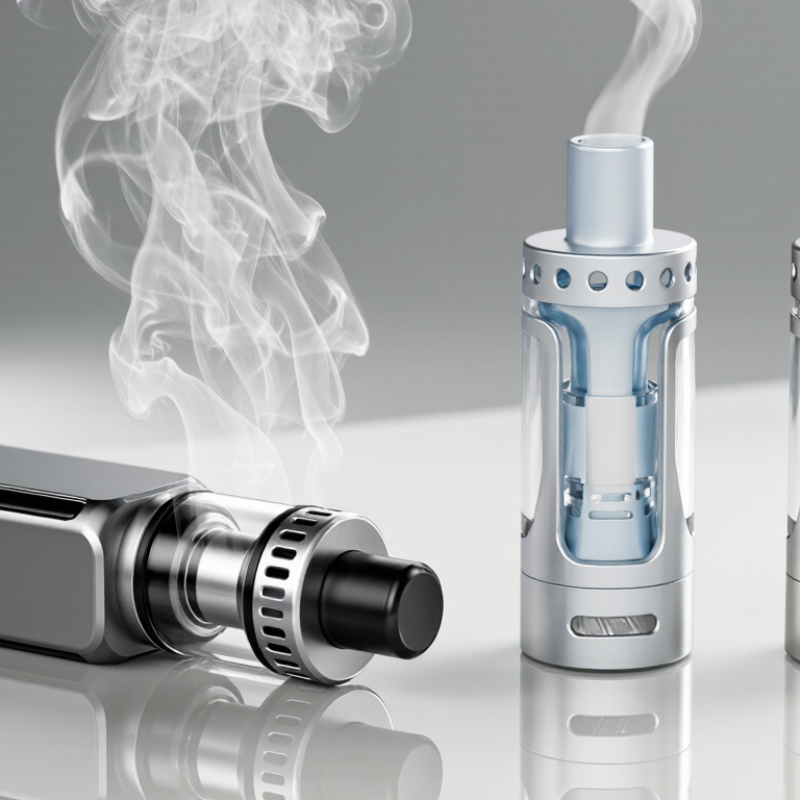
Airflow means more than a smoother inhale. It controls how much air mixes with heated aerosol inside the device. A tighter path usually creates a warmer, denser draw. A wider path often feels cooler and lighter. It can also reduce throat intensity, but not always. Power, coil design, liquid viscosity, and puff duration change the result.
ISO 20768:2018 uses a 55 mL puff, lasting three seconds, every 30 seconds. This standard helps laboratories compare aerosol output under controlled conditions. Real users rarely follow that pattern. The 2018 National Academies report noted that device settings and user behavior can significantly alter emissions. My own testing also shows a common problem: opening airflow may feel better, while weakening flavor concentration. A small adjustment can change the whole experience. Airflow is not simply “more” or “less.”
Tips: Adjust airflow gradually, using one small change at a time. Watch for leaking, gurgling, or a dry, harsh sensation. Keep the intake openings clear of fingers and dust. Compare the same power setting before judging performance. Record puff duration, too. It is easy to blame airflow when the real issue is overheating. Laboratory data provides control, not a perfect picture of daily use. That limitation deserves attention.
| Design Dimension | Tighter Airflow | More Open Airflow | Performance Effect | Engineering Consideration |
|---|---|---|---|---|
| Intended Inhalation Style | More suitable for mouth-to-lung inhalation, which resembles the draw of a traditional cigarette. | More suitable for restricted-direct-to-lung or direct-to-lung inhalation. | Airflow determines the amount of air mixed with aerosol during each puff and strongly influences draw resistance. | The airflow path should match the coil design, power range, and intended user experience. |
| Vapor Production | Usually produces a smaller, denser vapor stream. | Generally supports greater vapor volume when the coil receives sufficient power and e-liquid. | More air can carry and cool a larger quantity of aerosol, but airflow alone does not create vapor without adequate coil power and liquid supply. | Vapor output depends on the combined effects of airflow, coil surface area, resistance, power, and liquid composition. |
| Vapor Temperature | Tends to produce a warmer perceived vape at the same power level. | Usually produces a cooler perceived vape because more incoming air removes heat from the coil and aerosol. | Opening the airflow can reduce heat concentration around the coil and mouthpiece. | Excessively restricted airflow may increase heat buildup, while excessively open airflow may make the vape feel thin or cool. |
| Flavor Concentration | Often delivers a more concentrated and intense flavor perception. | Can provide a smoother and more diluted flavor profile at the same power level. | Air volume changes the concentration of aerosol reaching the user and affects perceived flavor intensity. | Flavor also depends on coil temperature, wicking efficiency, airflow position, and e-liquid formulation. |
| Draw Resistance | Creates stronger resistance and requires greater suction pressure. | Creates lower resistance and allows air to pass more freely. | Draw resistance is affected by the size, number, shape, and length of airflow openings. | Consistent machining and adjustable airflow control help maintain predictable draw performance. |
| Battery and E-Liquid Demand | Often pairs with lower power settings and may reduce e-liquid consumption. | Open-airflow use is commonly paired with higher power, which can increase battery and e-liquid consumption. | Airflow does not directly consume battery power, but it influences the power level users select and the amount of vapor produced. | Battery life is primarily determined by battery capacity, resistance, wattage, puff duration, and usage frequency. |
| Coil and Wicking Requirements | Can work effectively with smaller coils and lower liquid-flow requirements. | Usually benefits from larger coil surfaces, higher liquid delivery, and sufficient wicking capacity. | Higher vapor output requires the wick to replenish e-liquid quickly enough to prevent dry heating. | Airflow and e-liquid delivery must be balanced; too much power for the available liquid supply can cause dry or burnt taste. |
| Leakage and Condensation Control | Restricted channels may make condensation more noticeable if vapor cools inside the airway. | Larger openings can improve air movement but may still collect condensation near the mouthpiece. | Condensation depends on vapor cooling, puff duration, liquid viscosity, device orientation, and airflow-path geometry. | Well-designed seals, suitable channel geometry, and proper e-liquid storage help reduce leakage and condensation. |
| Noise During Inhalation | May create a sharper or higher-pitched sound when air passes through a narrow opening. | May produce a lower-pitched rushing sound, especially at high airflow velocity. | Noise is influenced by air velocity, opening shape, turbulence, and surface finish inside the airflow path. | Smooth transitions and carefully positioned air inlets can reduce turbulence and improve acoustic comfort. |
| Adjustability | Provides a tighter setting when the airflow control is partially closed. | Provides a more open setting when the airflow control is fully or mostly open. | Adjustable airflow allows users to balance warmth, draw resistance, flavor concentration, and vapor volume. | Adjustment rings should move smoothly and maintain their selected position during use. |
Note: These are general engineering tendencies. Actual performance varies with coil resistance, power output, e-liquid composition, wick design, airflow geometry, puff duration, and user inhalation style.
Airflow controls how much air mixes with heated aerosol during each puff. A narrow path feels warmer and denser. A wider path feels cooler and lighter.
Restricted airflow can create a tighter, cigarette-like inhale. It may increase warmth and flavor concentration. Too much restriction can feel harsh.
Open airflow usually produces a cooler, looser draw. It may reduce throat intensity. Flavor can also feel less concentrated.
Close the airflow ring gradually. Leave a small opening unless the instructions permit full closure. Take a slow puff and check the warmth.
Start with a wider opening. Make one small change at a time. Wait several seconds before testing again.
Restricted airflow may cause overheating. An aging coil or insufficient liquid can create similar symptoms. Airflow is not always the real problem.
Watch for leaking, gurgling, unusual heat, or a dry sensation. Stop using a damaged device. Check its instructions before continuing.
No. A laboratory method may use a 55-milliliter puff lasting three seconds. Real users vary their settings and puff duration.
Keep the power setting unchanged. Record puff duration and airflow position. Keep the intake openings clear of fingers and dust.
No. I once blamed airflow for a rough draw, but a worn coil caused it. That mistake still shapes my testing routine.
Airflow is a key element in vape design because it controls how much air mixes with vapor during each draw. This balance directly influences vapor production, flavor clarity, cooling, and overall comfort. More open airflow usually creates a smoother, cooler draw with larger vapor output, while tighter airflow produces a warmer, more concentrated experience. Understanding how does airflow affect vaping performance helps users choose settings that match their preferred style without sacrificing consistency.
Airflow also affects draw resistance and throat sensation. A restricted setting can provide a firmer pull and stronger flavor perception, while a looser setting may feel lighter and more effortless. Adjustable airflow systems allow users to fine-tune these characteristics for different preferences, from a controlled, cigarette-like draw to a more open inhale. When comparing airflow systems in China’s best vapes, attention should be given to adjustment precision, airflow stability, leak resistance, and how effectively the design balances flavor, vapor, and comfort.

 Turtle Vape