Top Guide Are Disposable Vapes Recyclable?

Time:2026-09-16 Author:Henry
0%

Are disposable vapes recyclable? The answer is complicated. These small devices usually contain lithium batteries, metal coils, plastics, and electronic parts. Their compact size does not make them ordinary plastic waste. A vape may look empty, yet its battery can still store energy and create risks during collection or sorting.

This guide explains how to identify suitable disposal routes safely and responsibly. It considers guidance from waste professionals, local recycling authorities, and manufacturer instructions. In many areas, disposable vapes belong with electronic waste or battery recycling, not household recycling bins. Never place them in general rubbish if local guidance provides another option. Do not dismantle, crush, burn, or attempt to remove the battery yourself. These actions can damage the cell and endanger workers.

Check the label first. Then visit your local authority’s waste website or contact a certified e-waste facility. Some retailers and specialist collection points accept small electronics, but availability varies widely. Rules also differ between cities and countries. That uncertainty matters.

The awkward truth is that “recyclable” does not always mean “widely accepted.” A facility may recover the battery but reject the plastic body. Another may process the complete device through specialist equipment. This guide will separate technical recyclability from practical collection. It will also address common mistakes, such as leaving devices loose in bags or assuming an empty vape is harmless. Clear details matter here. Responsible disposal protects people, equipment, and the environment.
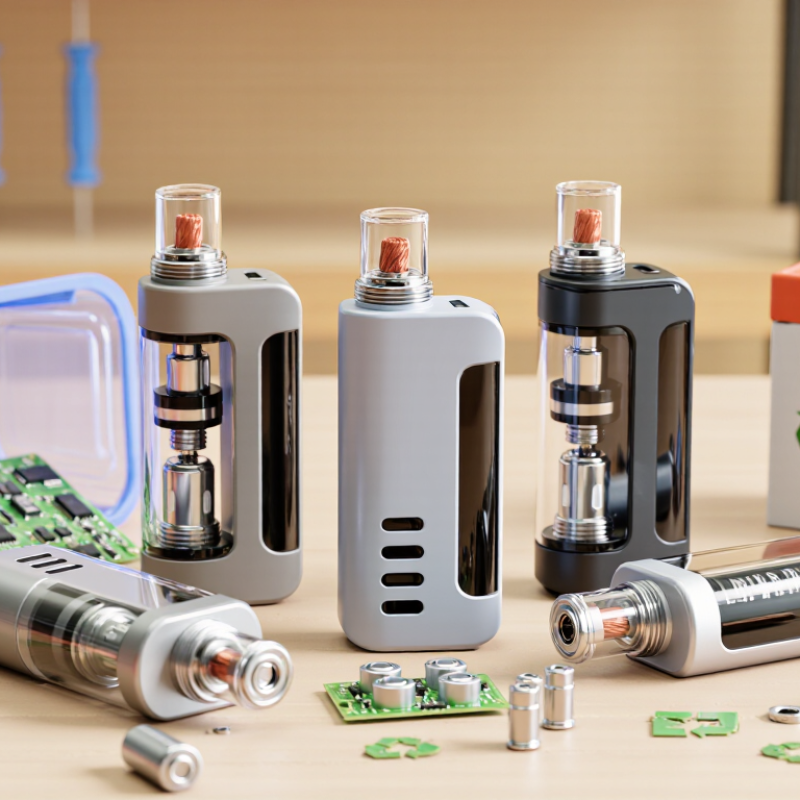
Top Guide Are Disposable Vapes Recyclable?

What Disposable Vapes Are Made Of

Top Guide: Are Disposable Vapes Recyclable?

Disposable vapes are made from several joined materials, not one simple plastic. Their outer shell commonly uses plastic or aluminum. Inside, a lithium battery powers a small circuit board and heating coil. A cotton or ceramic wick absorbs the e-liquid. Silicone seals, wires, and a plastic reservoir complete the device.

I once assumed the empty shell could enter a household recycling bin. That view was too simple. The battery can cause fires when crushed, while leftover liquid may contaminate other materials. Mixed construction also makes separation difficult. Recycling rules vary by location, so disposal should follow local guidance or an approved electronics collection point. Never dismantle a device at home. Even an apparently empty unit may retain energy or liquid.

Tips: Keep used devices away from heat and water. Do not place them in general recycling or household waste unless local authorities specifically allow it. Store them separately in a cool, dry place before drop-off. Ask the collection facility whether it accepts small lithium-battery electronics. Labels can be unclear, and advice from one area may not apply elsewhere. Partial recycling is possible in some systems, but it is not guaranteed.

Top Guide: Are Disposable Vapes Recyclable? — What Disposable Vapes Are Made Of

A typical disposable vape combines several material groups in one sealed product. The chart shows the approximate number of distinct components commonly associated with each material group in a representative device; designs vary by product.

Recycling note: Disposable vapes are not usually suitable for household recycling because their lithium-ion battery, electronic circuit, e-liquid residue, plastics, and metals must be separated. They should be taken to an approved battery or electronic-waste collection point where available.

The component categories represent common construction features: plastic housing, mouthpiece and liquid reservoir; a lithium-ion battery; copper wiring; a steel or nichrome heating coil; a silica or cotton wick; and a small circuit board. Exact materials and component counts vary.

Why Disposable Vapes Are Difficult to Recycle

Top Guide: Are Disposable Vapes Recyclable?

Why Disposable Vapes Are Difficult to Recycle

Disposable vapes are technically recyclable, but they rarely fit ordinary recycling systems. Their small cases combine plastic, metal, wiring, absorbent material, and a lithium battery. Many parts are glued together. Liquid residue can also contaminate sorting equipment. The Global E-waste Monitor 2024 reported 62 million tonnes of electronic waste worldwide in 2022. Only 22.3% was documented as formally collected and recycled. Disposable vapes add another difficult stream.

Material Focus estimated that around five million disposable vapes were discarded weekly in the United Kingdom during 2023. That figure shows the scale of the problem. It also exposes a practical weakness: recycling depends on convenient collection points. A recycling facility may recover the battery, but separating every tiny component is expensive. The process is not perfect. Some devices still become waste, even when users try to act responsibly.

Tips: Keep used devices dry and separate from household rubbish. Never place them in a curbside recycling bin unless local guidance specifically allows it. Take them to an approved battery or electronic-waste collection point. Do not crush, dismantle, or puncture the device. If liquid leaks, avoid direct skin contact and follow local disposal advice. Collection rules differ, and that uncertainty needs improvement.、】【

How to Check Whether a Disposable Vape Is Recyclable

Top Guide: Are Disposable Vapes Recyclable?

A disposable vape is rarely simple household recycling. It usually contains a lithium battery, circuit board, metal coil, plastic casing, and nicotine residue.

The Global E-waste Monitor 2024 reported 62 billion kilograms of electronic waste worldwide in 2022. Only 22.3% was formally collected and recycled. Small devices often disappear from recycling systems.

Check the packaging first. Look for a crossed-out bin symbol, battery markings, material codes, and clear take-back instructions. However, a recycling symbol does not guarantee local acceptance. It may describe the material, not the complete device.

This is where advice gets messy. Contact your municipal e-waste facility and ask whether it accepts sealed disposable vapes. Retailer collection points may also provide safer handling routes.

Never crush, pierce, burn, or dismantle the device. A damaged lithium battery can overheat during transport or processing.

Keep leaking or swollen units away from metal objects and ask the collection site for instructions.

The United Kingdom’s Material Focus estimated that about five million single-use vapes were discarded weekly in 2023. That figure shows the scale of the problem, but it does not prove every collection point can process them.

Check the exact device, not only the box. When information is missing, assume the item needs specialist e-waste handling rather than placing it in a household recycling bin.

How to Dispose of Disposable Vapes Safely

Disposable vapes are not ordinary plastic waste. Their shells may contain plastic and metal, while the internal lithium-ion battery needs specialist handling. The Global E-waste Monitor 2024 reported 62 million tonnes of electronic waste worldwide in 2022. Only 22.3% was formally collected and recycled. Small devices often disappear into household bins. That is a practical failure, not a recycling solution.

For safe disposal, stop using the device and keep it dry, cool, and away from keys or coins. Do not crush, puncture, burn, or open it. A damaged, swollen, hot, or leaking unit needs extra caution. Keep it away from living areas, then contact local hazardous-waste services before transport. The U.S. Environmental Protection Agency warns that lithium-ion batteries can cause fires in trash and recycling systems. Never place a disposable vape in a curbside recycling bin. Never flush it.

Use a designated battery or electronic-waste drop-off point that accepts complete devices. Ask staff about nicotine-containing products, because local acceptance rules differ. Material Focus reported that about five million single-use vapes were discarded weekly in the UK during 2023. That figure shows why convenient collection matters. I once assumed “recyclable” meant “safe for the recycling bin.” It does not. Keep the device intact until handover, and follow the facility’s instructions for damaged units.

Better Alternatives to Single-Use Vapes

Top Guide: Are Disposable Vapes Recyclable?

Better Alternatives to Single-Use Vapes

Disposable vapes are not simple plastic waste. They usually contain lithium batteries, electronic circuits, metal parts, and leftover liquid. The U.S. Environmental Protection Agency advises against placing e-cigarettes in household bins or recycling containers. Damaged batteries can cause fires during collection and sorting.

The 2023 Material Focus report estimated that people in the United Kingdom discarded about five million disposable vapes each week. That figure shows the scale of the problem. Recycling is possible only through suitable battery or electrical-waste collection services. Local rules differ, so check your council or authorized recycling facility. Do not open, crush, or burn a device. Small actions matter, but recycling alone cannot solve a disposable product’s short life.

Tips: Choose a rechargeable device with replaceable parts, where legal and appropriate. Refill systems can reduce repeated battery disposal, although they still create plastic and liquid waste. If quitting nicotine is your goal, ask a qualified healthcare professional about approved nicotine-replacement options. Keep used devices dry and separate from household waste. Never place lithium-battery products in curbside recycling unless your local program specifically accepts them.

A rechargeable option is not automatically sustainable. It may last longer, yet poor maintenance can shorten its life. I also think convenience deserves more scrutiny: a device used for two days can contain materials designed for years of service. That mismatch is difficult to defend.

FAQS

Are disposable vapes recyclable?

Technically, yes. They rarely fit ordinary household recycling systems. Their parts are difficult to separate.

What materials make recycling difficult?

A typical device contains plastic, metal, wiring, absorbent material, and a lithium battery. Many parts are glued together.

Can I place a used device in my household recycling bin?

Usually, no. Use an approved battery or electronic-waste collection point instead. Local rules may differ.

What should I check before disposal?

Check the packaging for battery markings, material codes, and take-back instructions. A recycling symbol does not guarantee local acceptance.

How should I handle a damaged or leaking device?

Keep it dry and away from metal objects. Do not crush, pierce, burn, or dismantle it. Contact the collection site for instructions.

Why can lithium batteries create disposal risks?

Damaged batteries may overheat during transport or sorting. This can cause fires. Small devices still need careful handling.

Are rechargeable devices automatically better?

Not automatically. They may last longer, but poor maintenance can shorten their life. They still create plastic and liquid waste.

What alternatives can reduce repeated disposal?

Rechargeable devices with replaceable parts may reduce battery waste, where legal and appropriate. Approved nicotine-replacement options may also support quitting goals.

How large is the disposal problem?

Around five million single-use devices were discarded weekly in one 2023 estimate. The figure is troubling. Collection systems remain uneven.

What should happen when local information is unclear?

Treat the device as specialist electronic waste. Ask your municipal facility before disposal. Guessing is risky.

Conclusion

Are disposable vapes recyclable? The answer is not always straightforward. These devices usually contain a combination of plastic, metal, a lithium battery, electronic components, and leftover e-liquid, making them more complex than ordinary household packaging. Their mixed materials are difficult to separate, while the battery and liquid residue may create safety risks during collection and processing. Recycling options also vary by location, so users should check the device label, local waste guidance, or nearby programs that accept batteries and electronic waste.

Disposable vapes should never be placed in regular recycling or household rubbish unless local instructions specifically allow it. Instead, keep them away from heat and water, avoid crushing or opening them, and take them to an appropriate battery or e-waste collection point. If no dedicated service is available, contact the local waste authority for advice. Refillable devices, rechargeable products, and non-electronic alternatives can help reduce waste, provided they are used responsibly and disposed of correctly when no longer needed.

Henry

Henry

Henry is a dedicated marketing professional with a profound expertise in the company's offerings. With years of experience in the industry, he possesses an impressive understanding of the market dynamics and consumer behaviors that drive success. Henry is committed to sharing his insights through......